






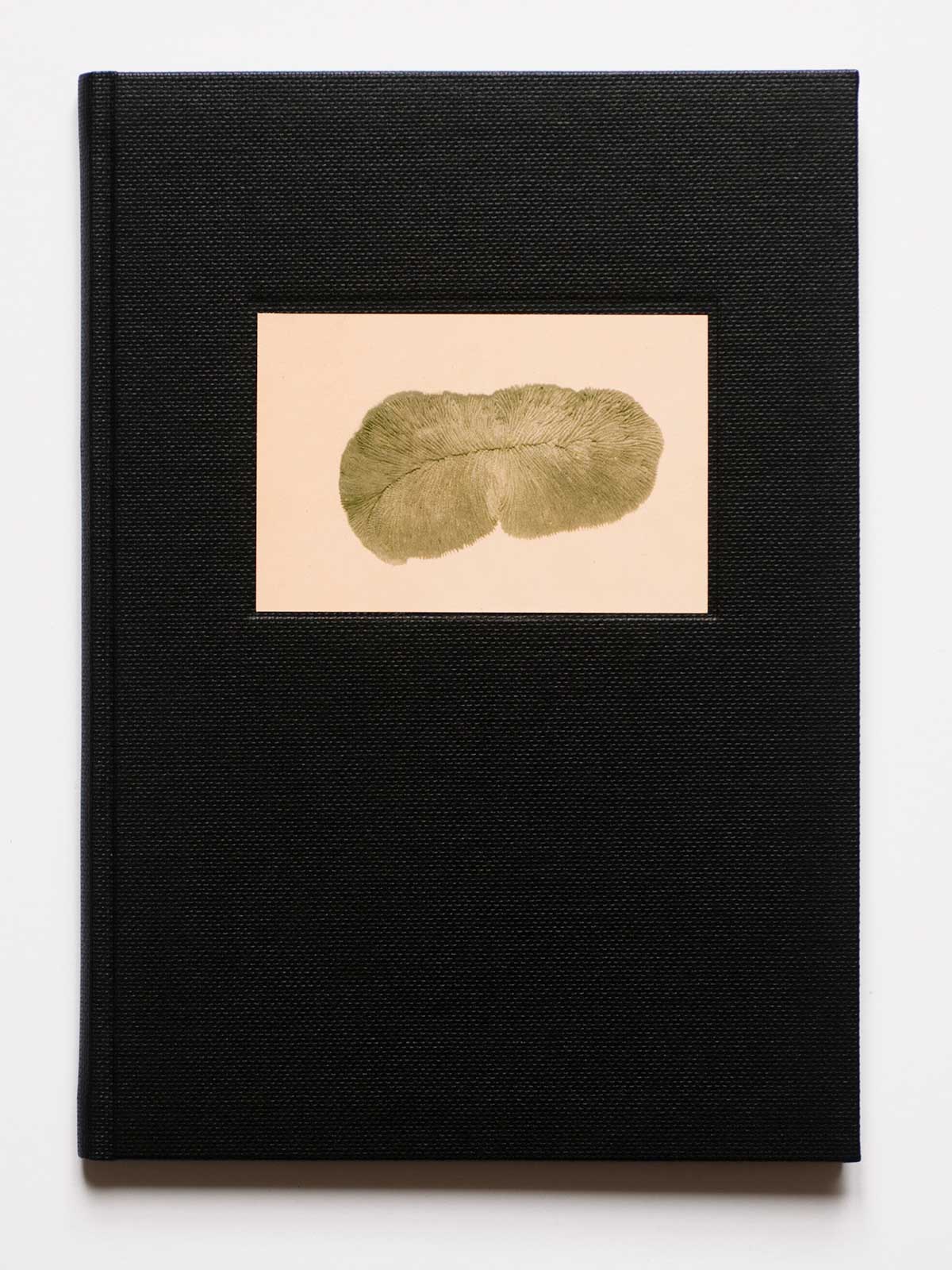
Wild Window (Limited Edition)
“Animals carry within them the enigmatic structure of reality because through their gaze we try to identify the destiny of living beings, yet, in turn, their answer mirrors their silent nature that reminds us of the beginning”.
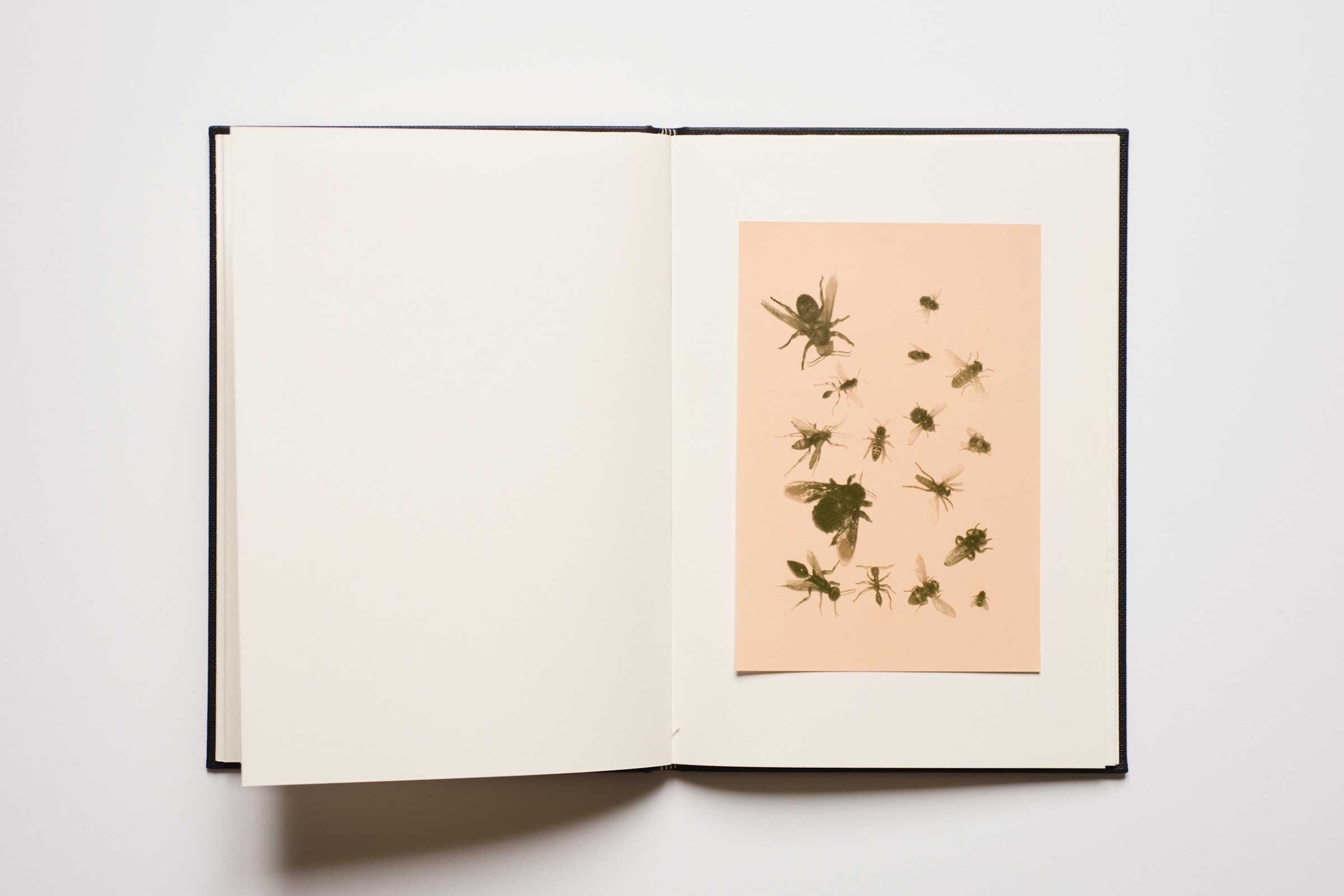
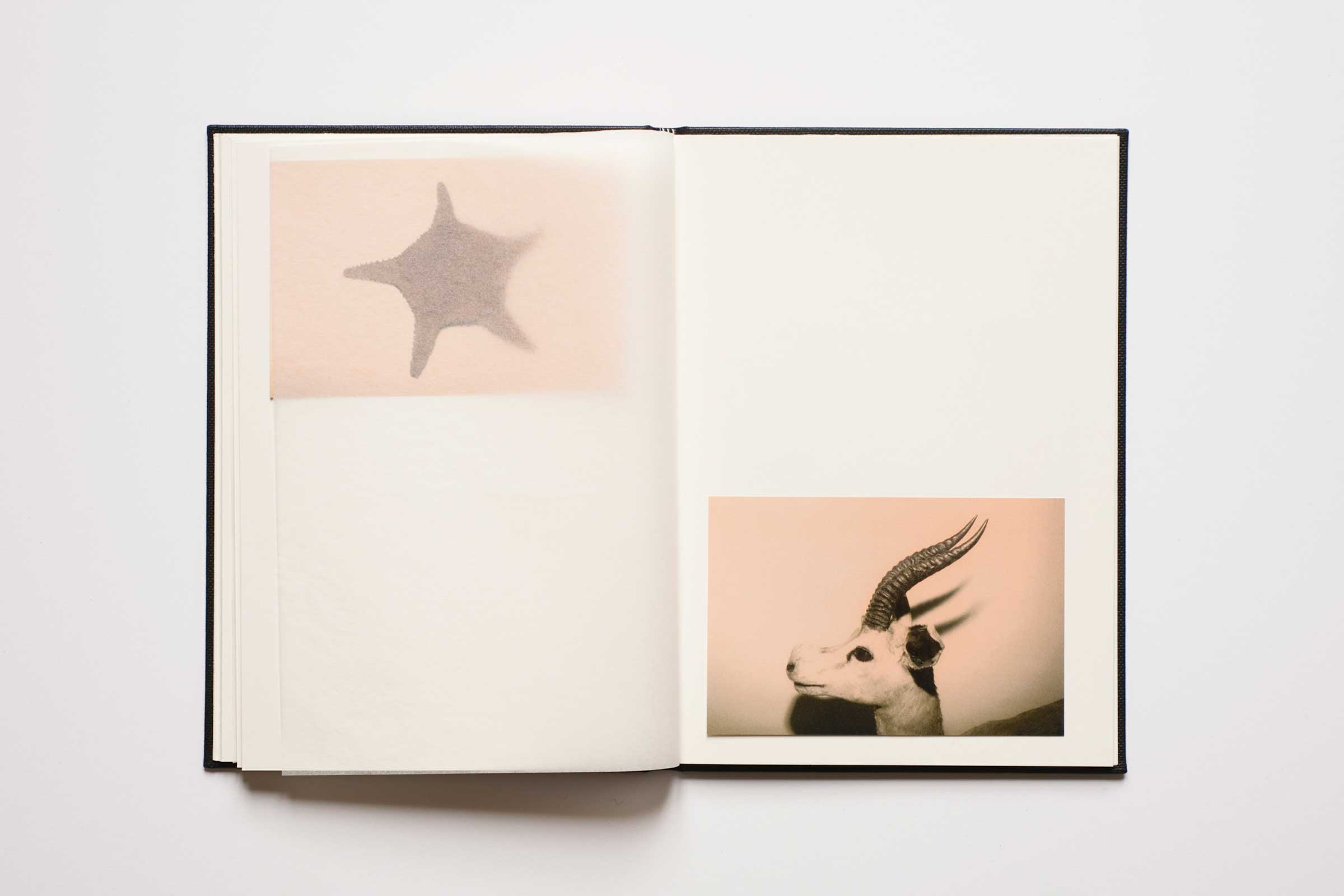
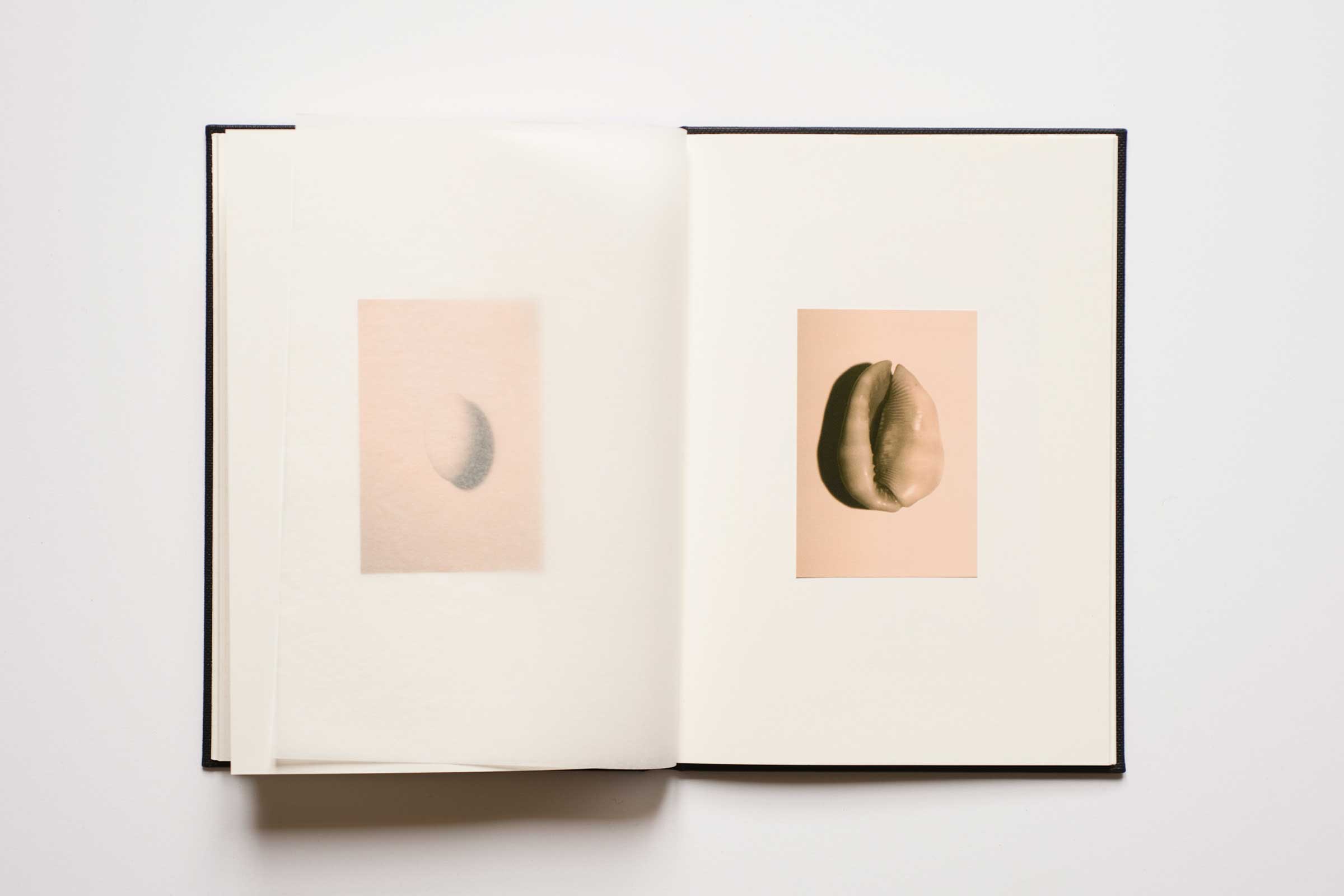
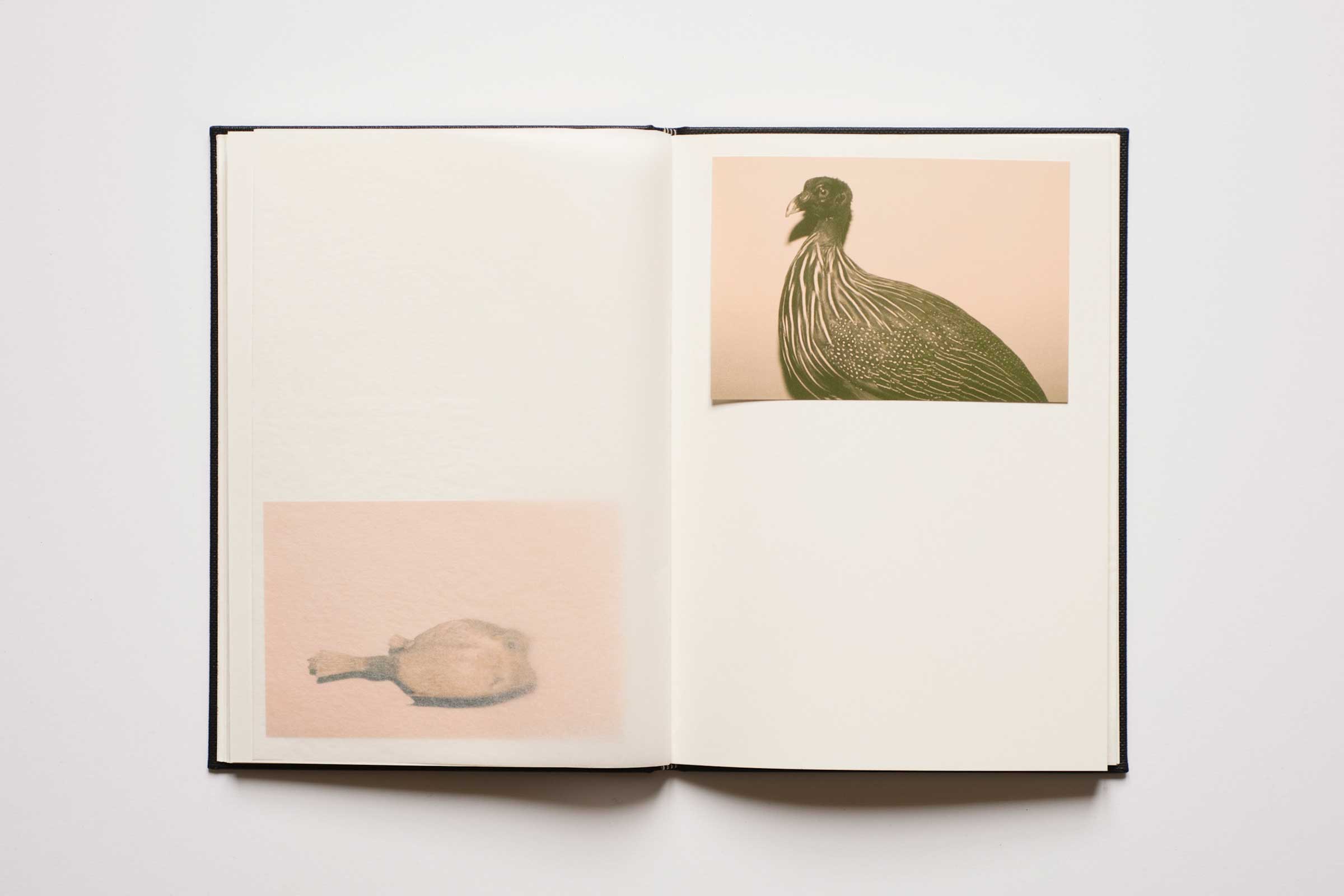
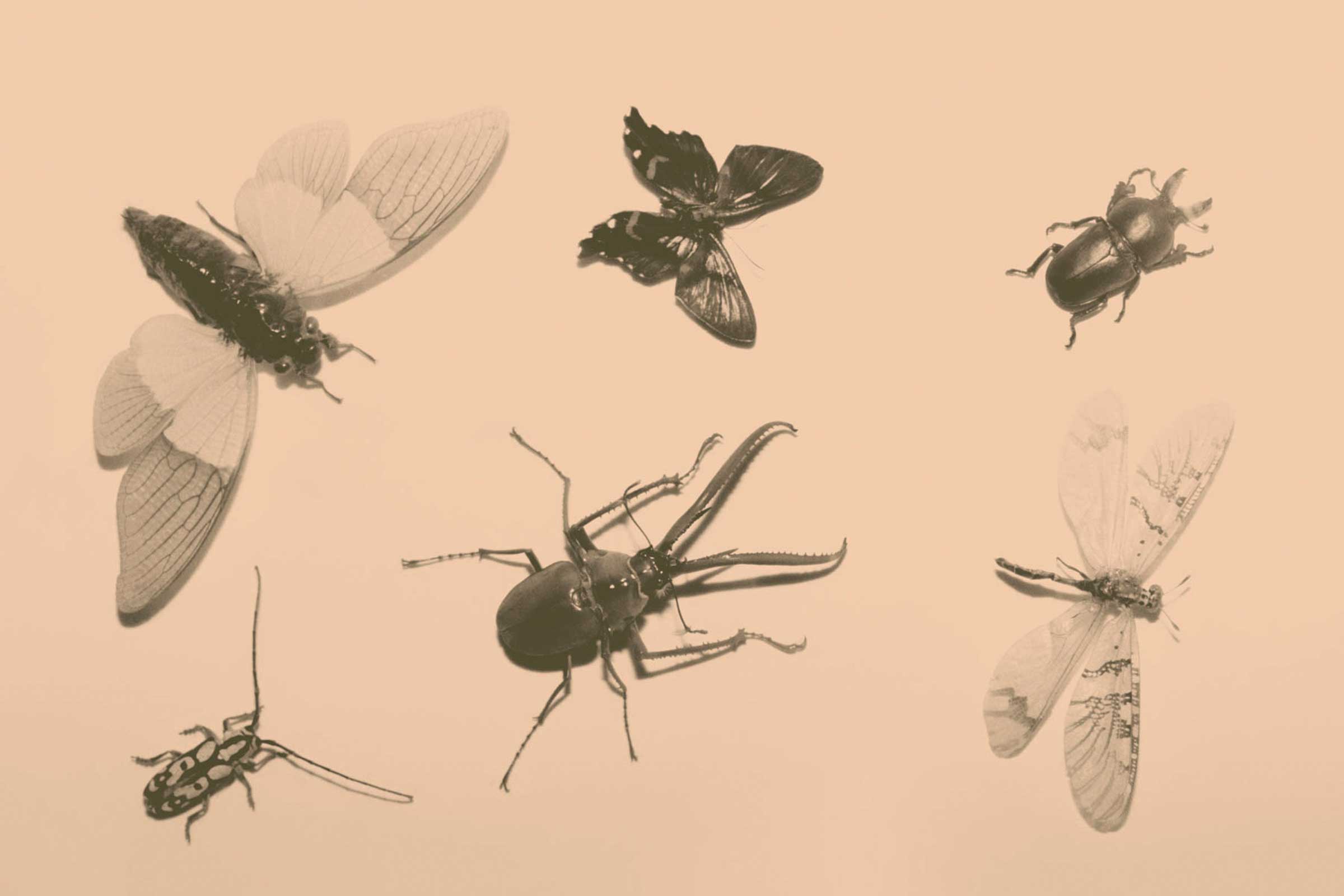
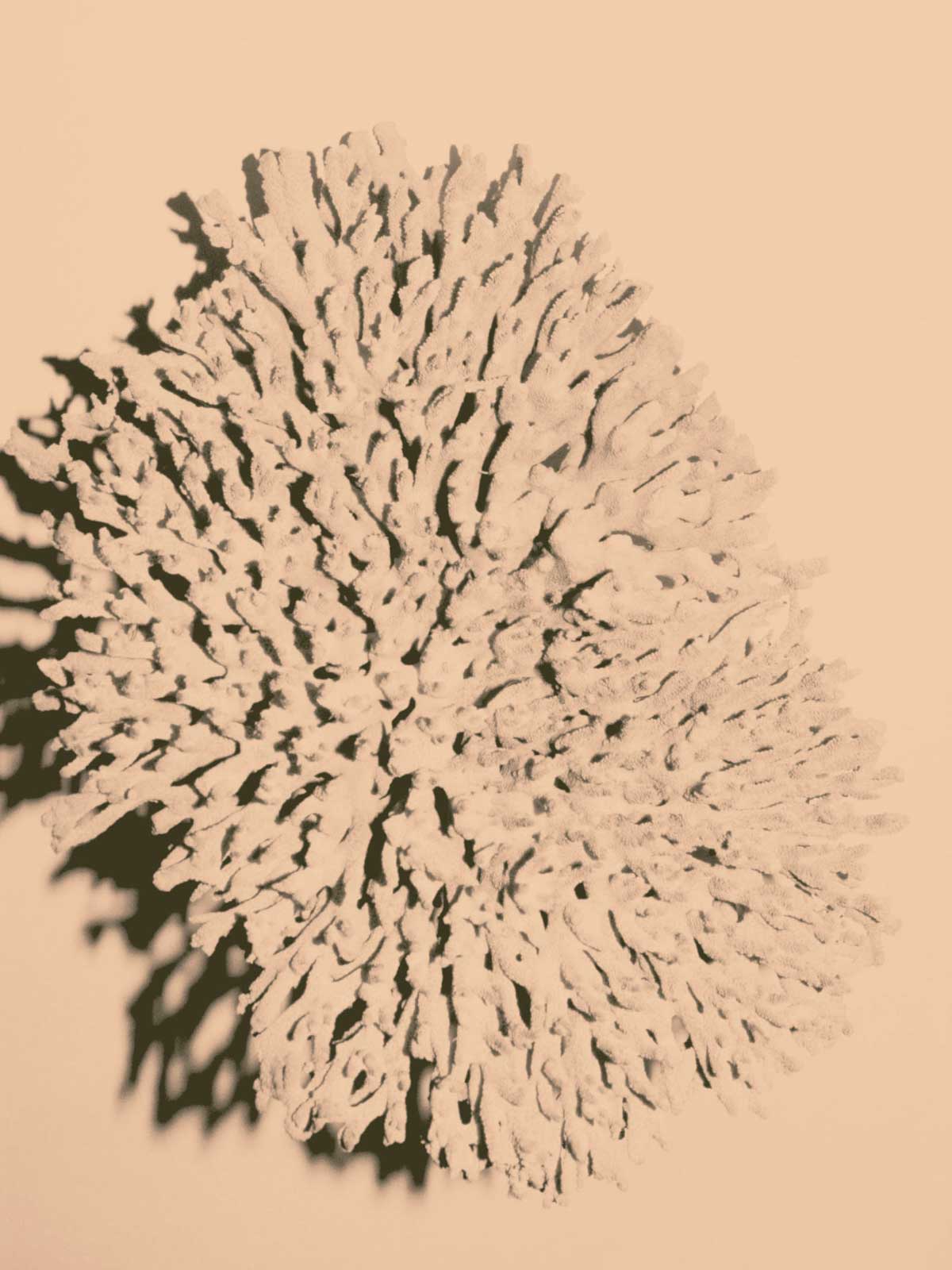
A.F. Wild Window body of work has 100 images and includes an installation displaying the materials that inspired the research and limited edition art book. The project is essentially built on the concept of the gaze as a universal trait shared by humans and animals. By playing with the fluidity of the gaze, Wild Window throws the relationship between the viewer and the object being viewed in the realm of instability and ambiguity. Colour is the perceptive focus of the work, engendering disorientation and a sense of suspension. The choice of flesh pink was not a mere formal and aesthetic decision, but a deliberate psychological reference to human skin. Thus, colour becomes the enigmatic link to perception in the visual subconscious.
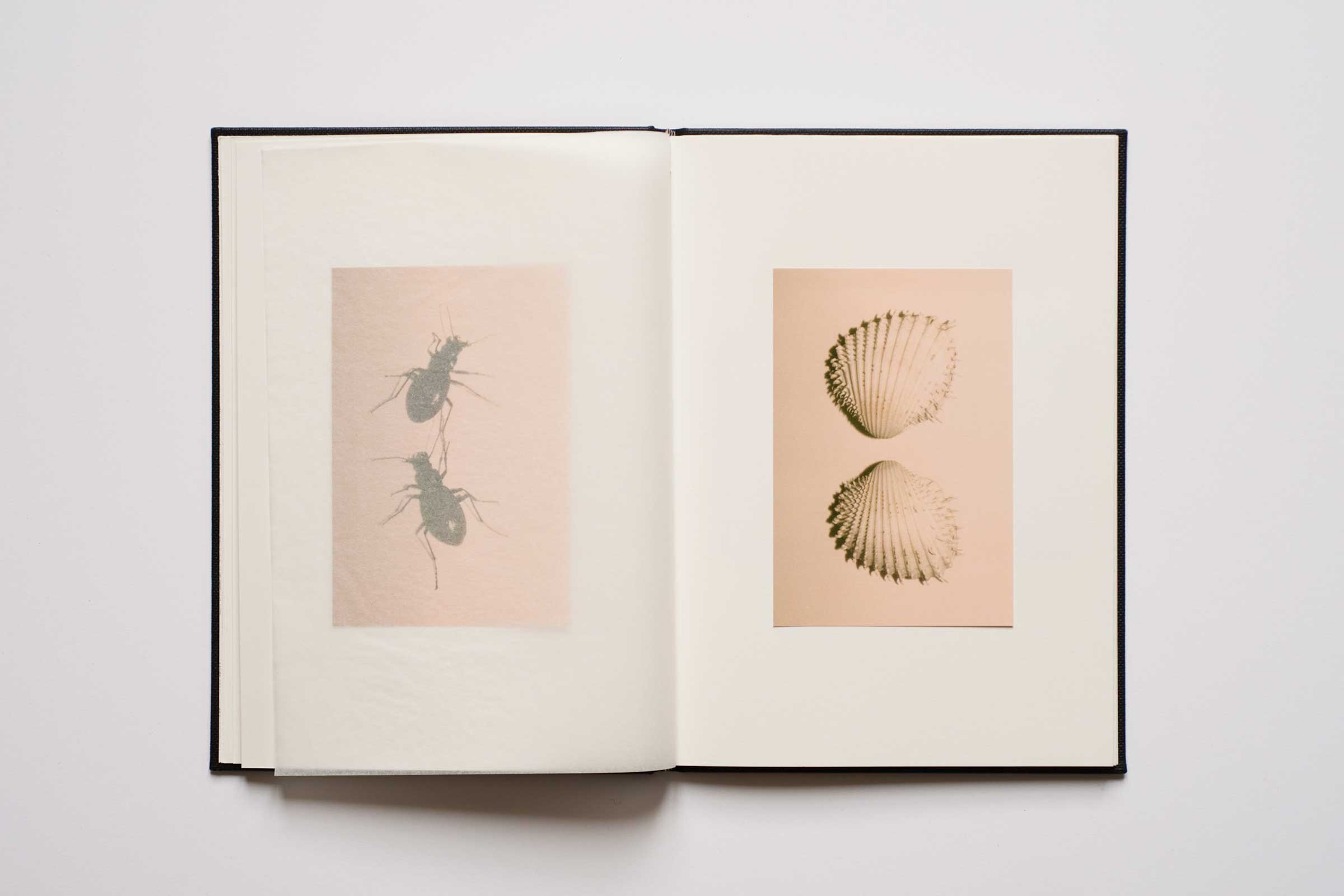
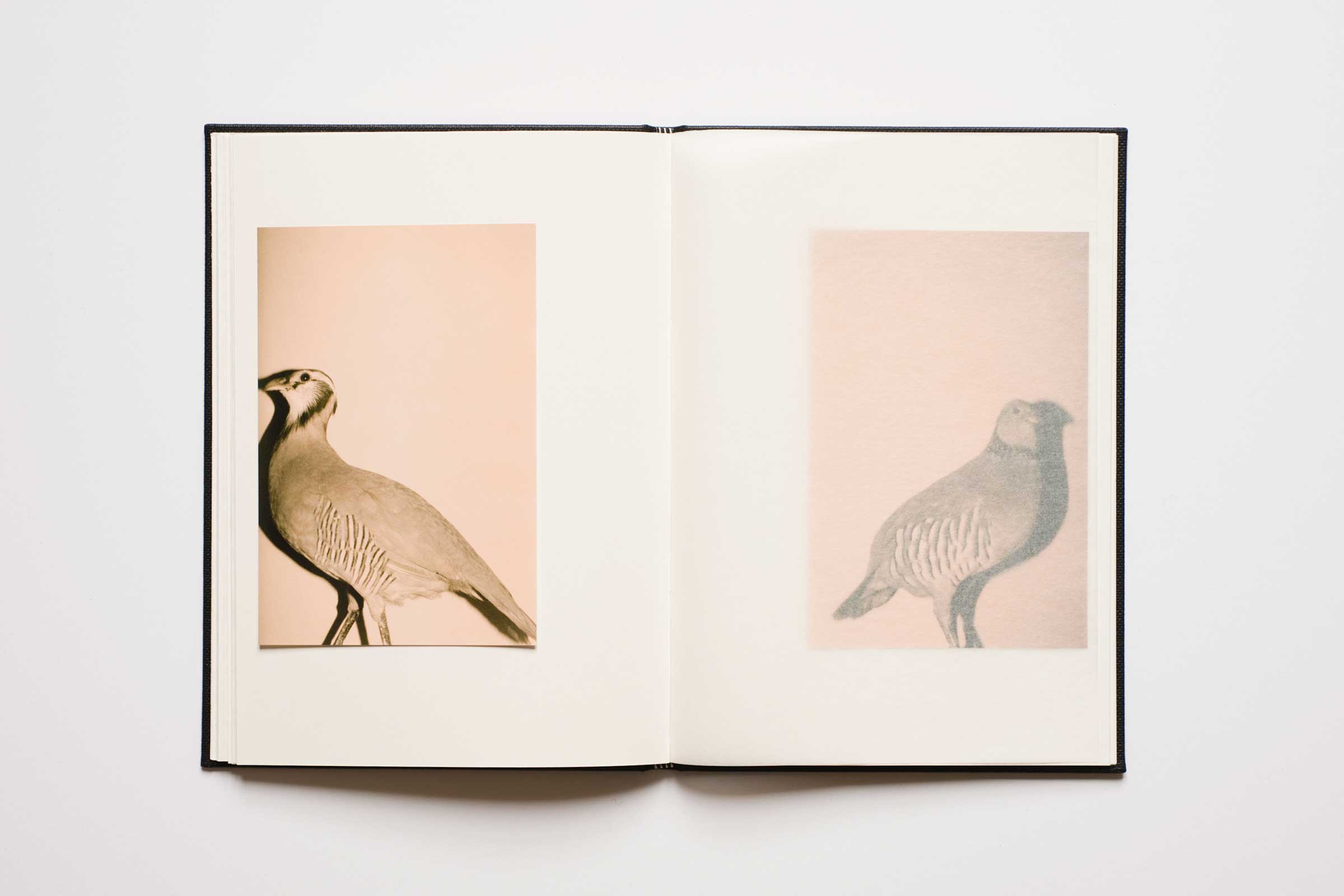
In his photographic project Wild Window, Andrea Ferrari presents us with an unusual Wunderkammer of sorts. Together these images of taxidermied animals and birds pose as a wonderful cabinet of curiosities. Each one captured in what seems a moment of intense reflection, its gaze frozen in time. It is this idea of looking and watching that forms a core concept to the series; Ferrari identifies the gaze as one of the universal traits of human and animal language. The images have also been compiled into a new artist’s book “Wild Window”.
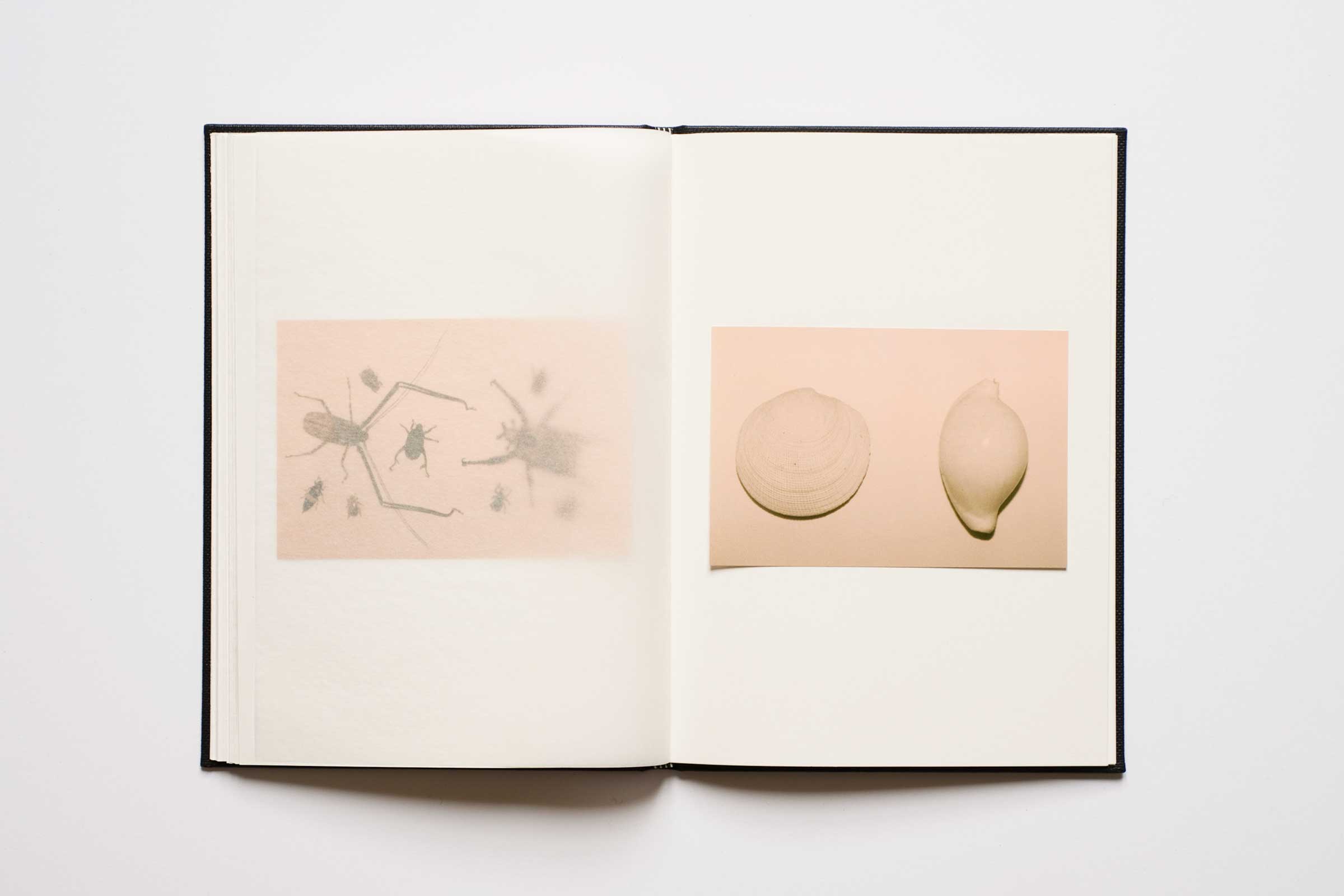
This beautifully laid out publication is reminiscent of a naturalist’ s notebook, a directory of creatures, birds and insects from far-flung places. Laura Gasparini writes in the introduction: “Wild Window is a meditation on the natural world. It chronicles a range of species that for centuries have appeared taxidermied in the windows of antique shops and museum displays, including some of the most important collections of natural science.
Andrea Ferrari examines, with grace and meticulous attention, the age-old desire (dating back indeed to ancient Greece) to capture nature in all its magnificence and hold it still so that we can look, and look again.” Ferrari is fascinated by the secrets contained within the animal kingdom, by the truth that there are some things we will never know or understand, which in turn drives our persistent fascination. This sentiment is reflected in the exhibition of the images – they are not shown in a linear format as with a scientific encyclopaedia, but instead are presented in a dislocated grid reflecting the complex narrative of nature, “its obscure similitudes”, and the marvel that it brings to whomever observes it.
With regard to his decision to drain the colour from the images so that they are all a muted tone of peachy pink, the artist explains: “ the chromatic component is not based solely upon an aesthetic and formalist choice, but derives from a wish to instil in the viewer a psychological association with skin colour. This is not irrelevant: the intuition of the tonality of our own skin somehow renders these abstract images alive and dense with implications”. Through the steady gaze that pervades the images of Wild Window, Andrea Ferrari seeks to explore the ambiguous relationship between the one who observes and the one who is observed. Seeing this plethora of beady black eyes staring out at us, we the self-assured audience gradually start to feel the gaze ourselves. The book is accompanied by a tale by Ermanno Cavazzoni, an extract from Guide to fantastic animals (Guanda 2011) and by a critical text by Laura Gasparini.