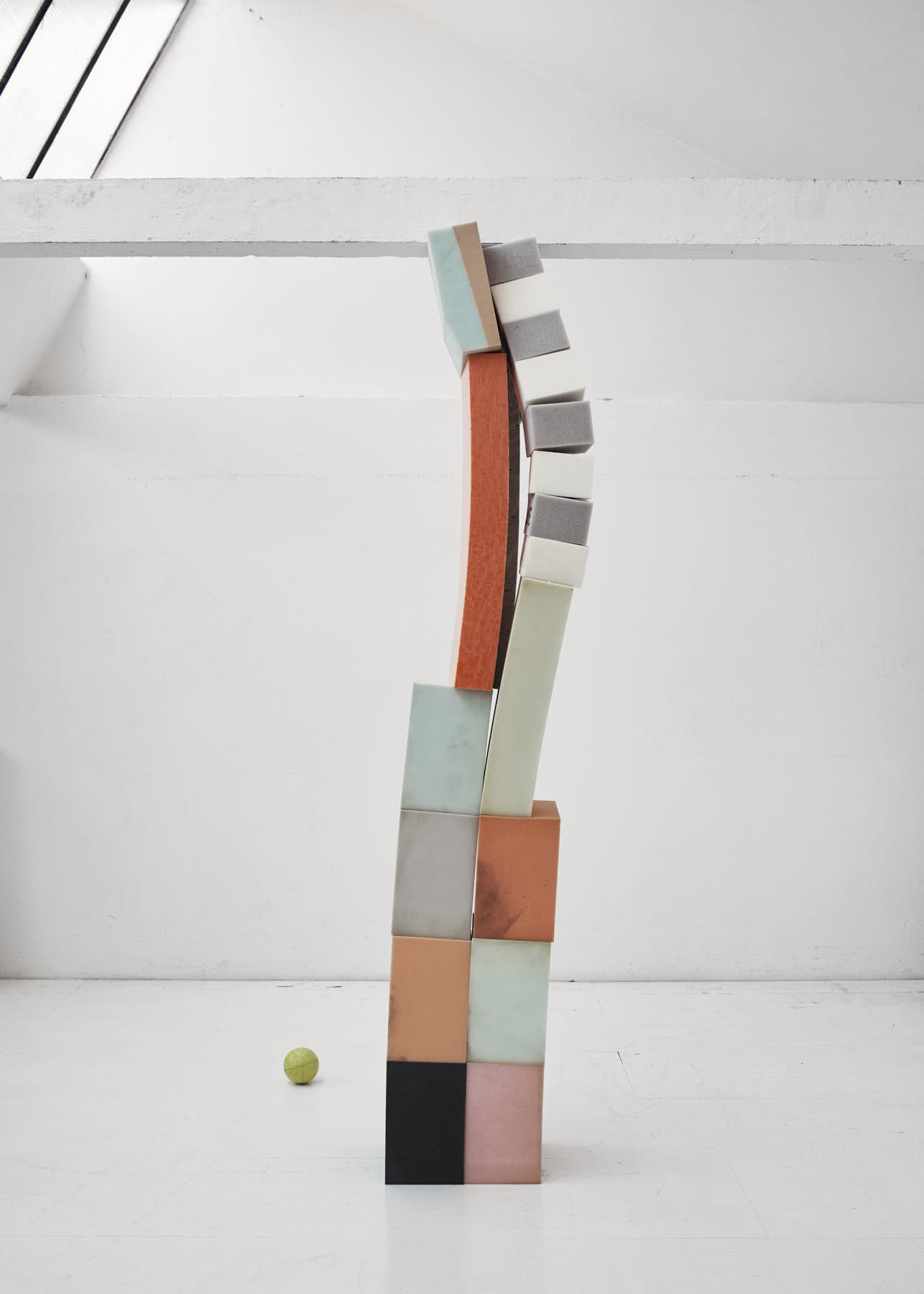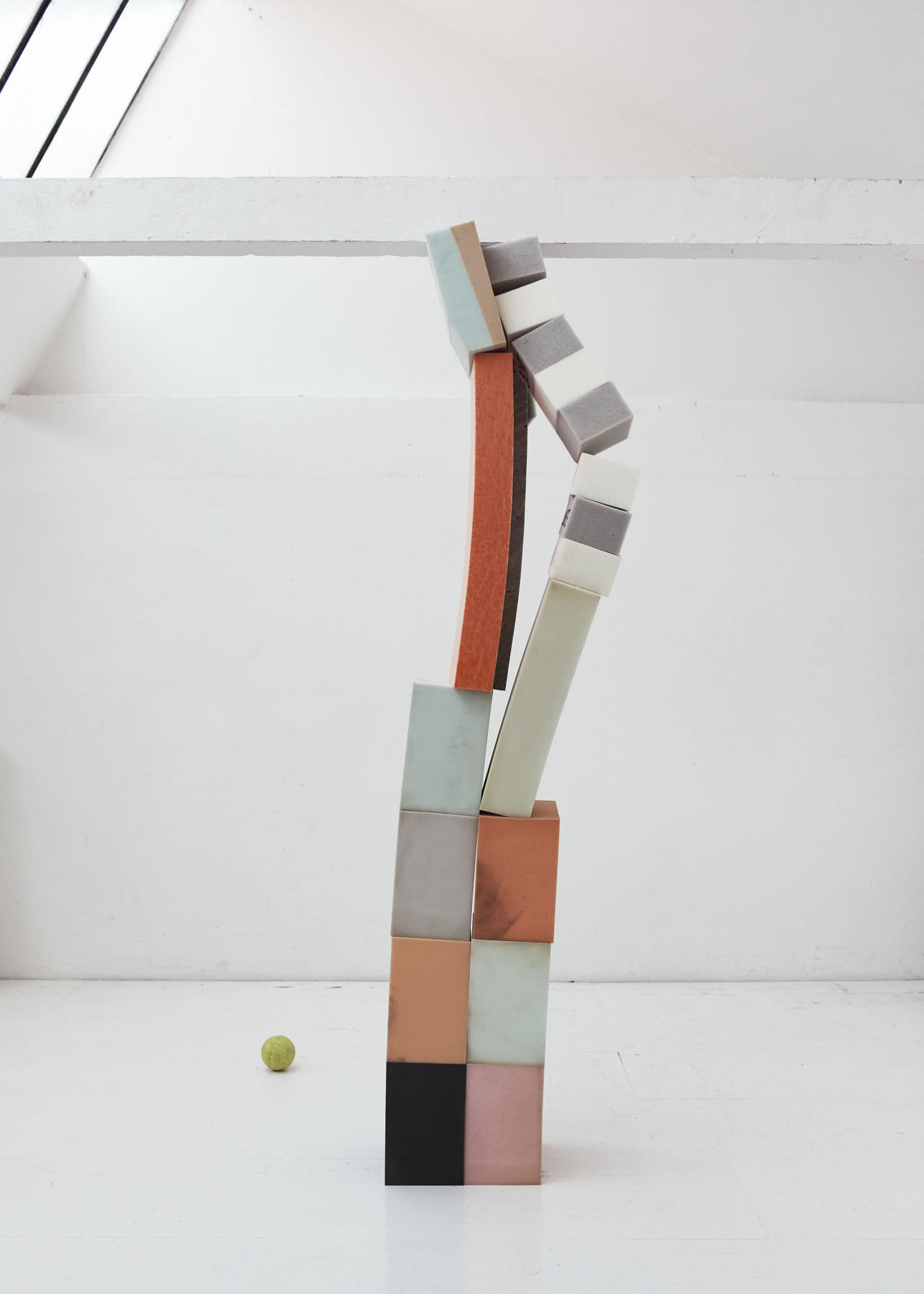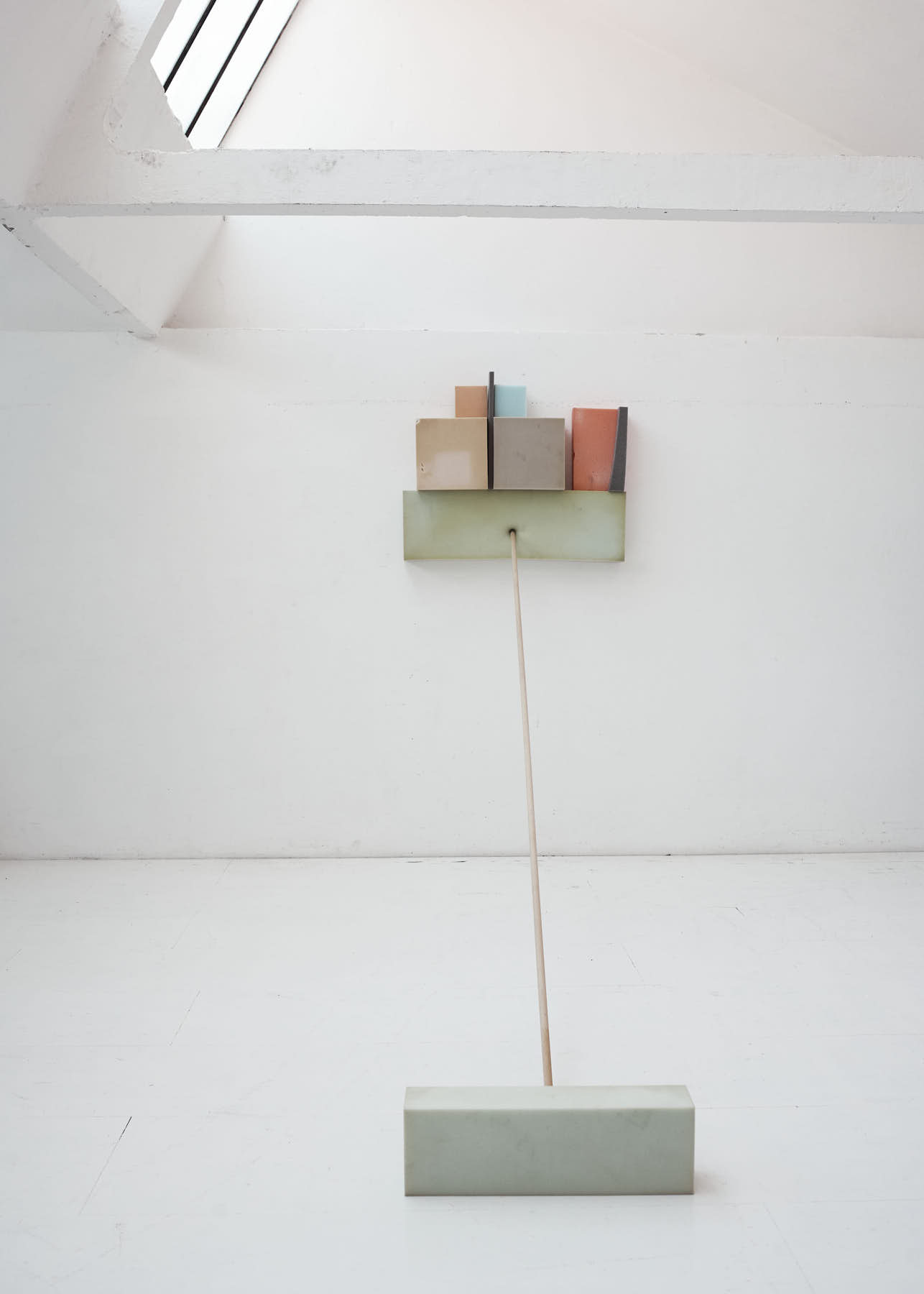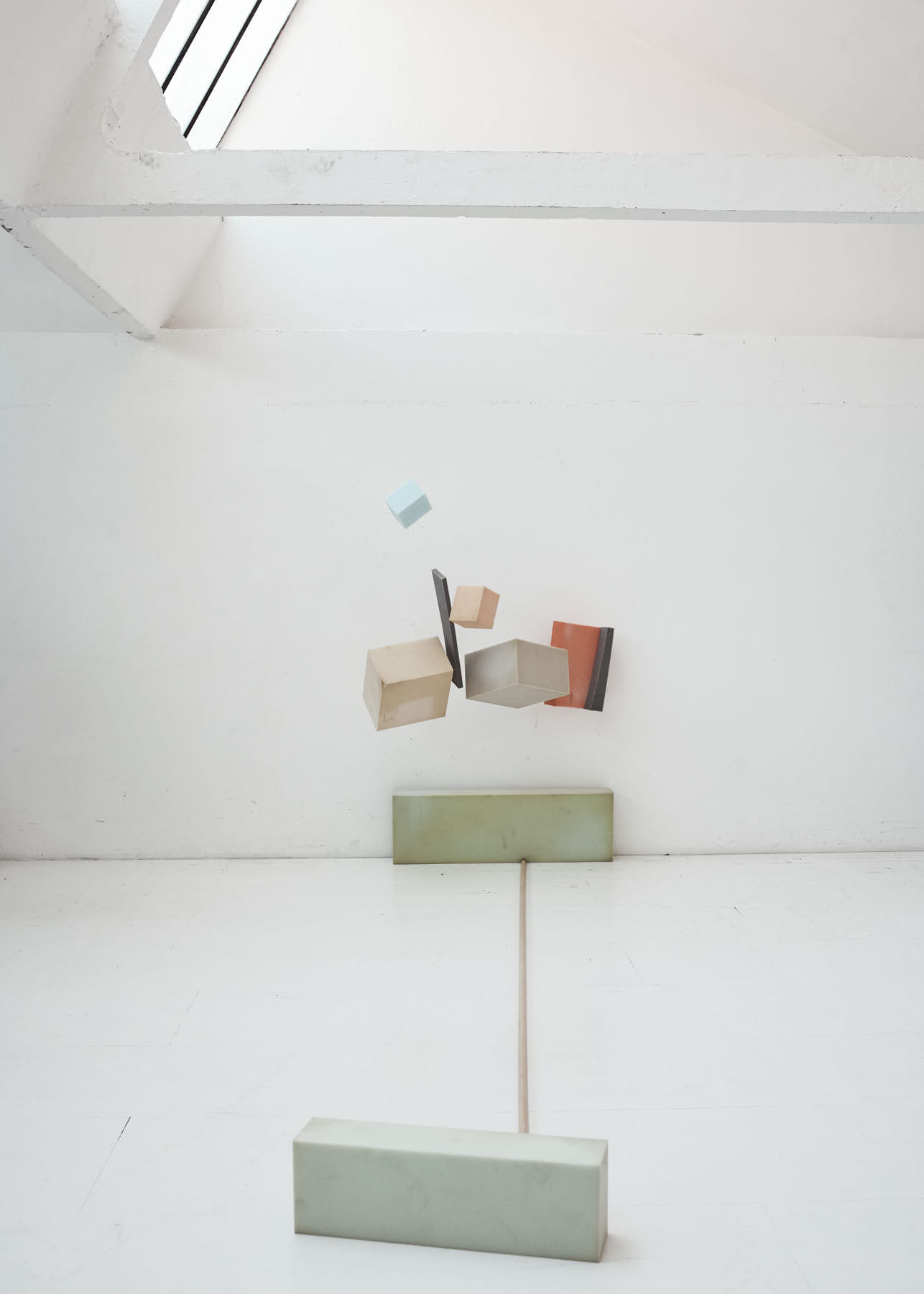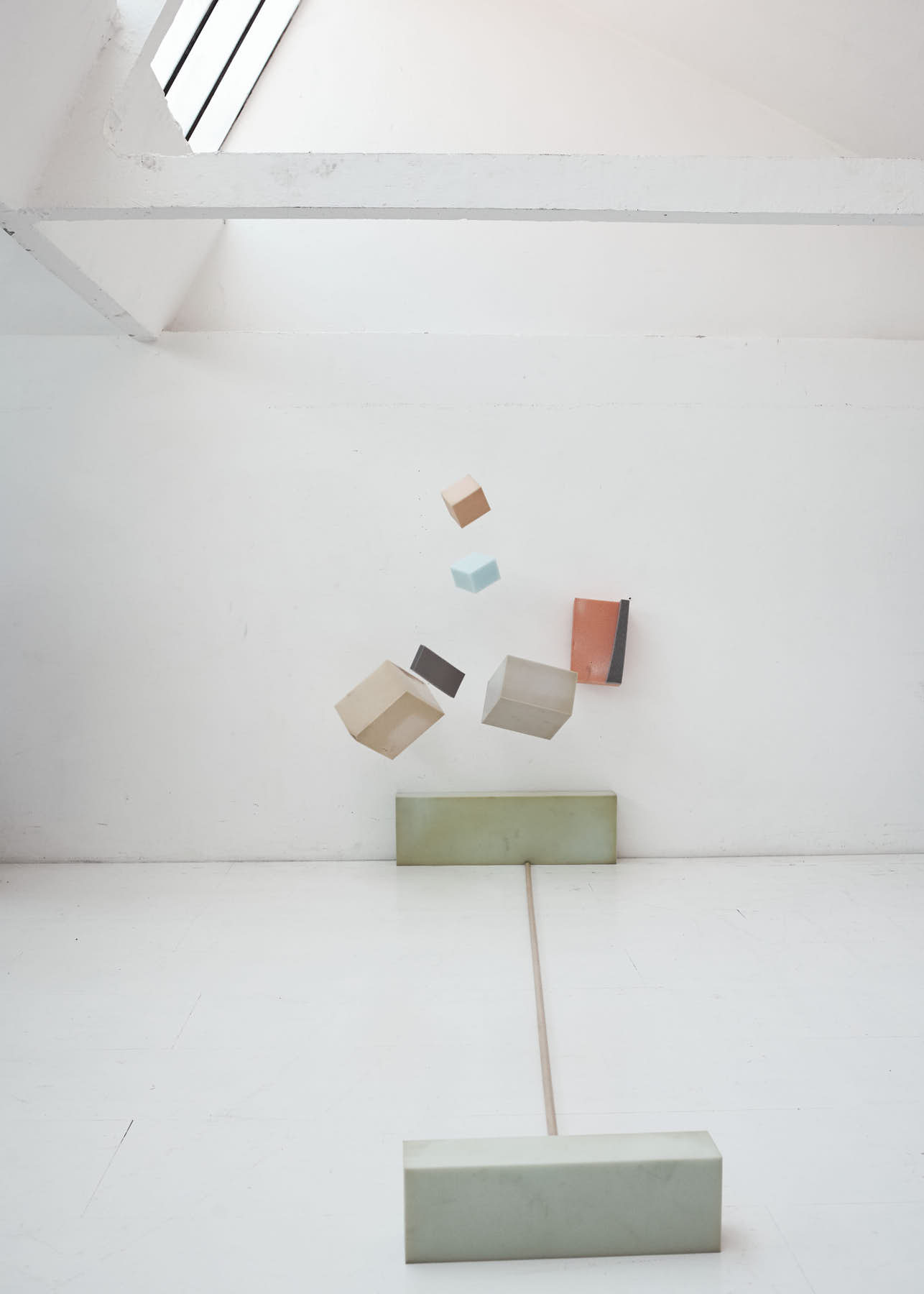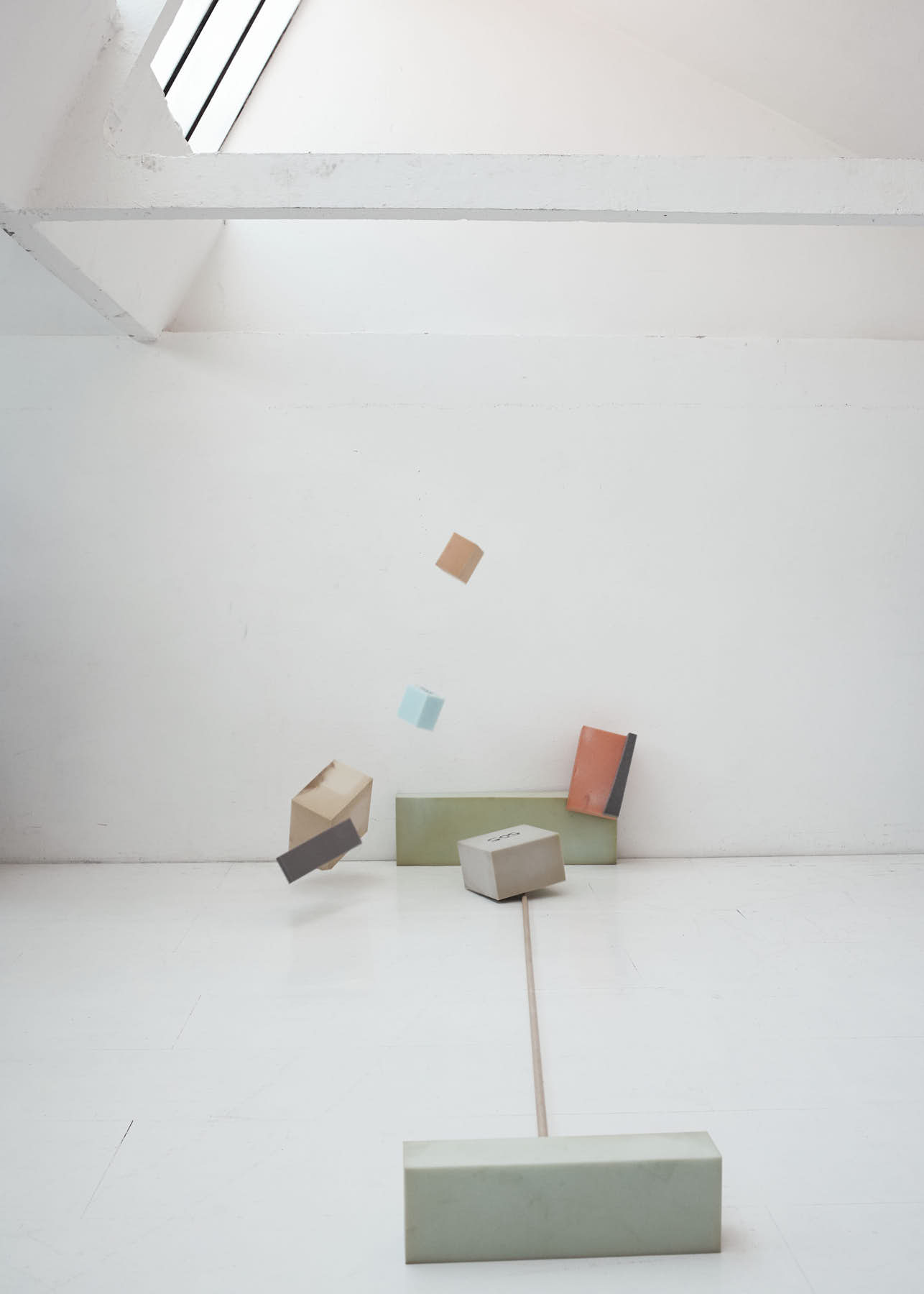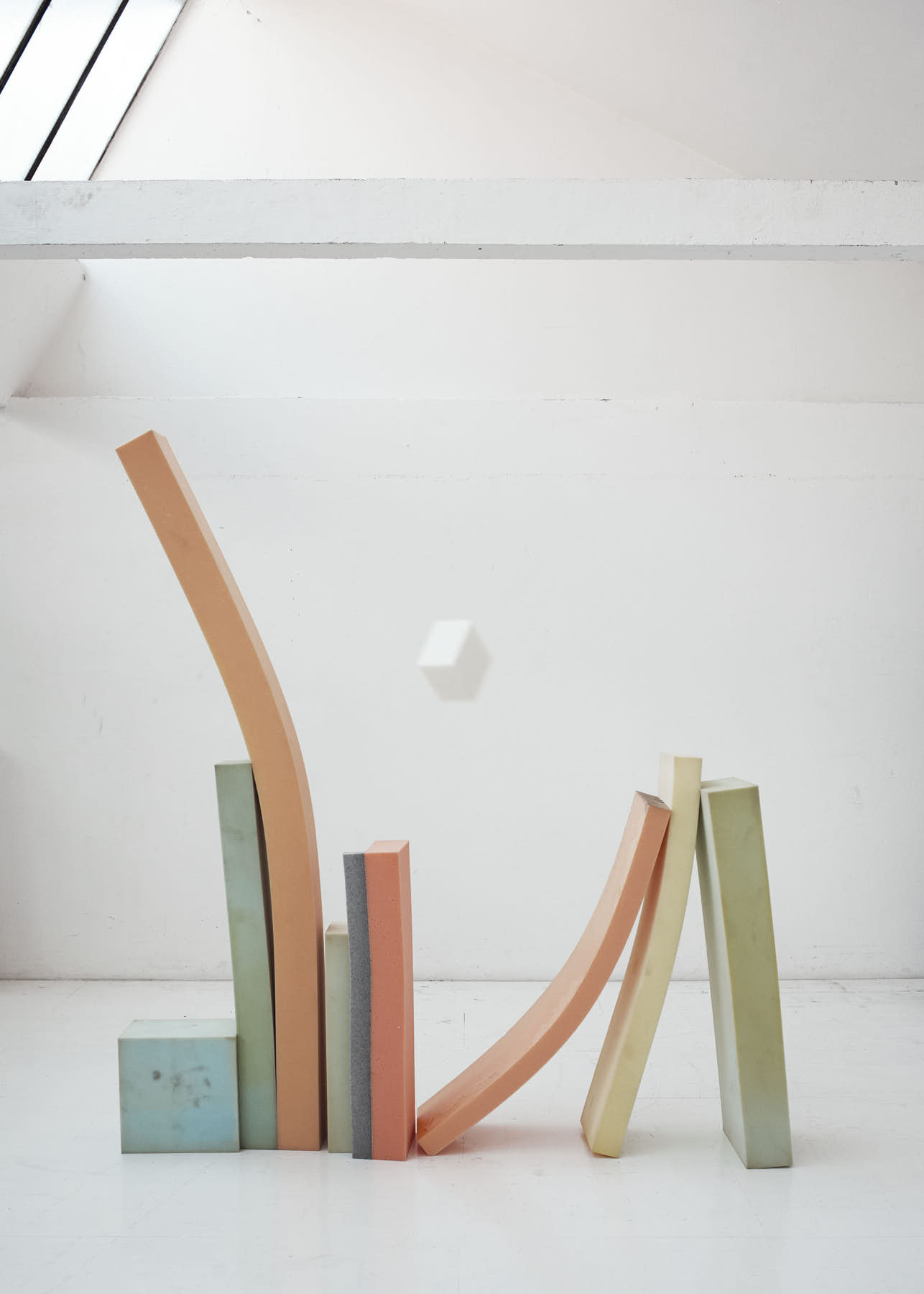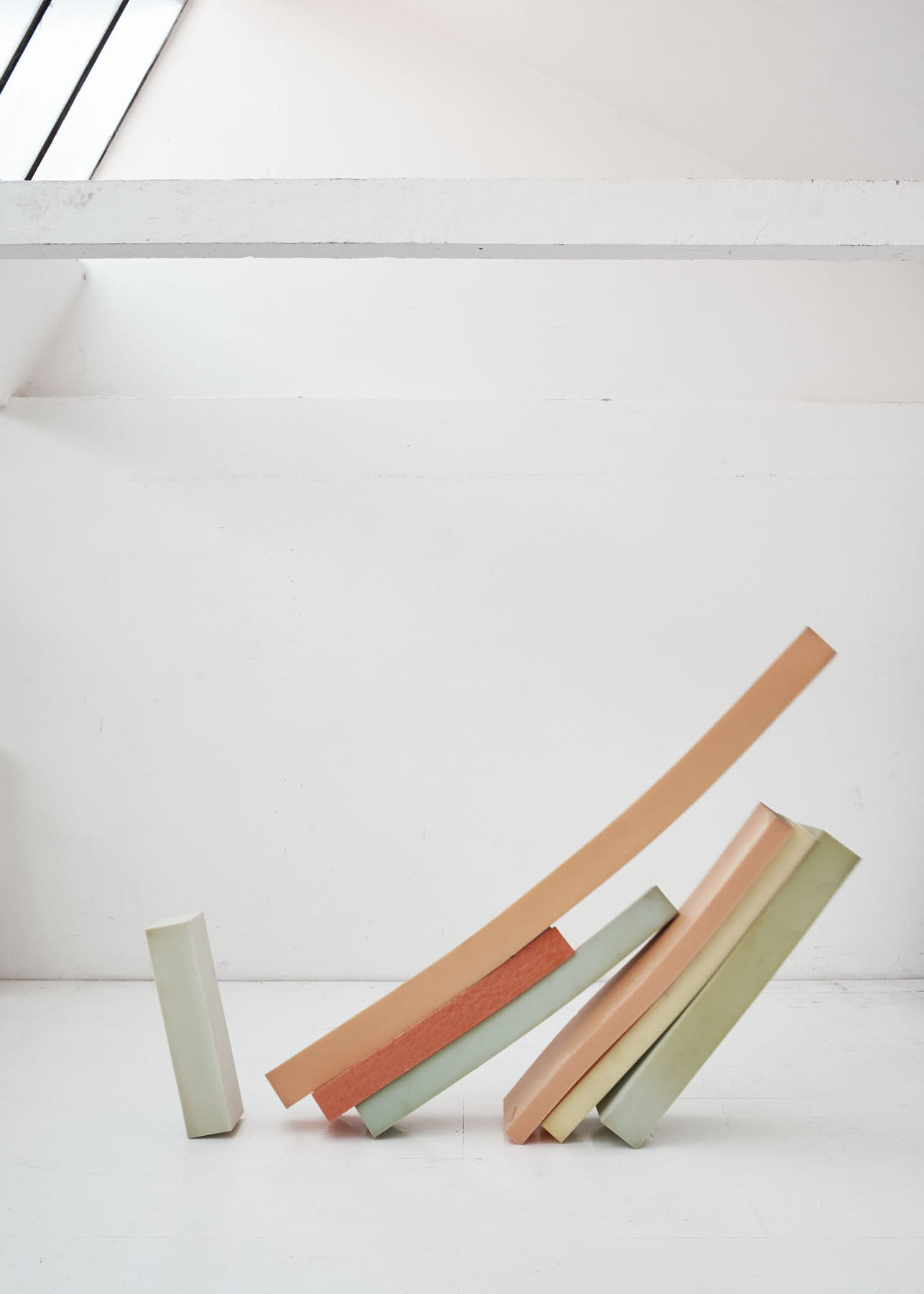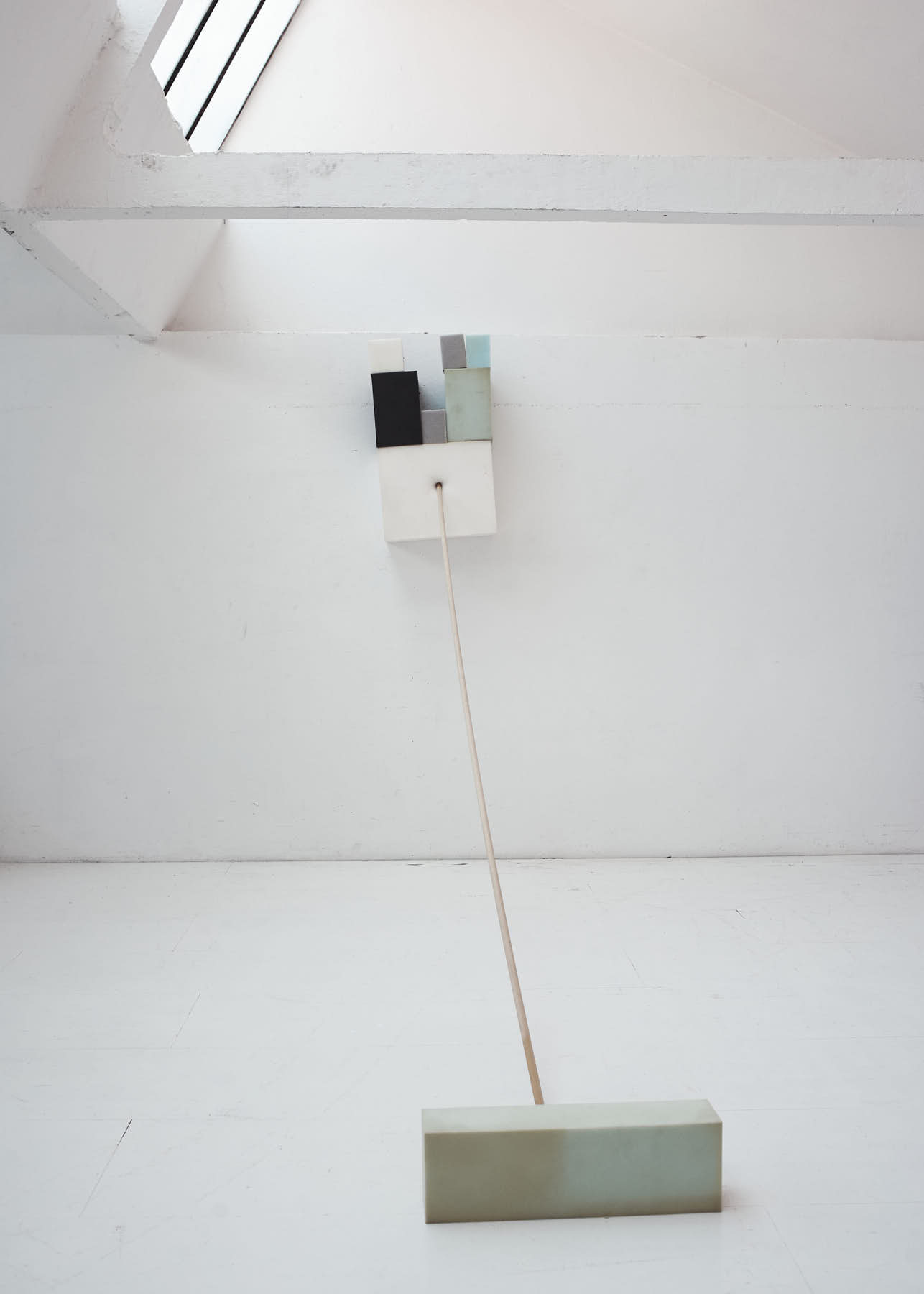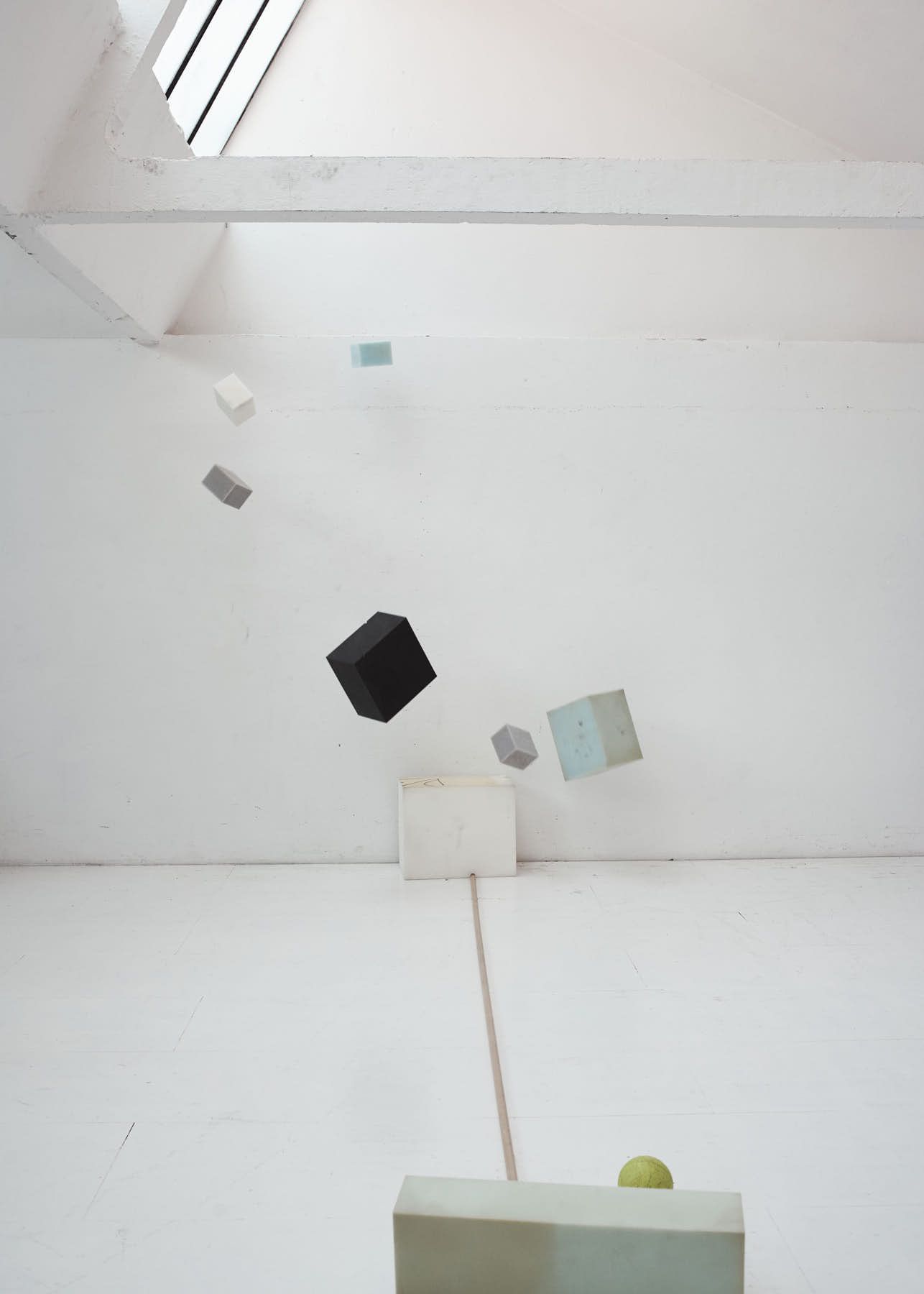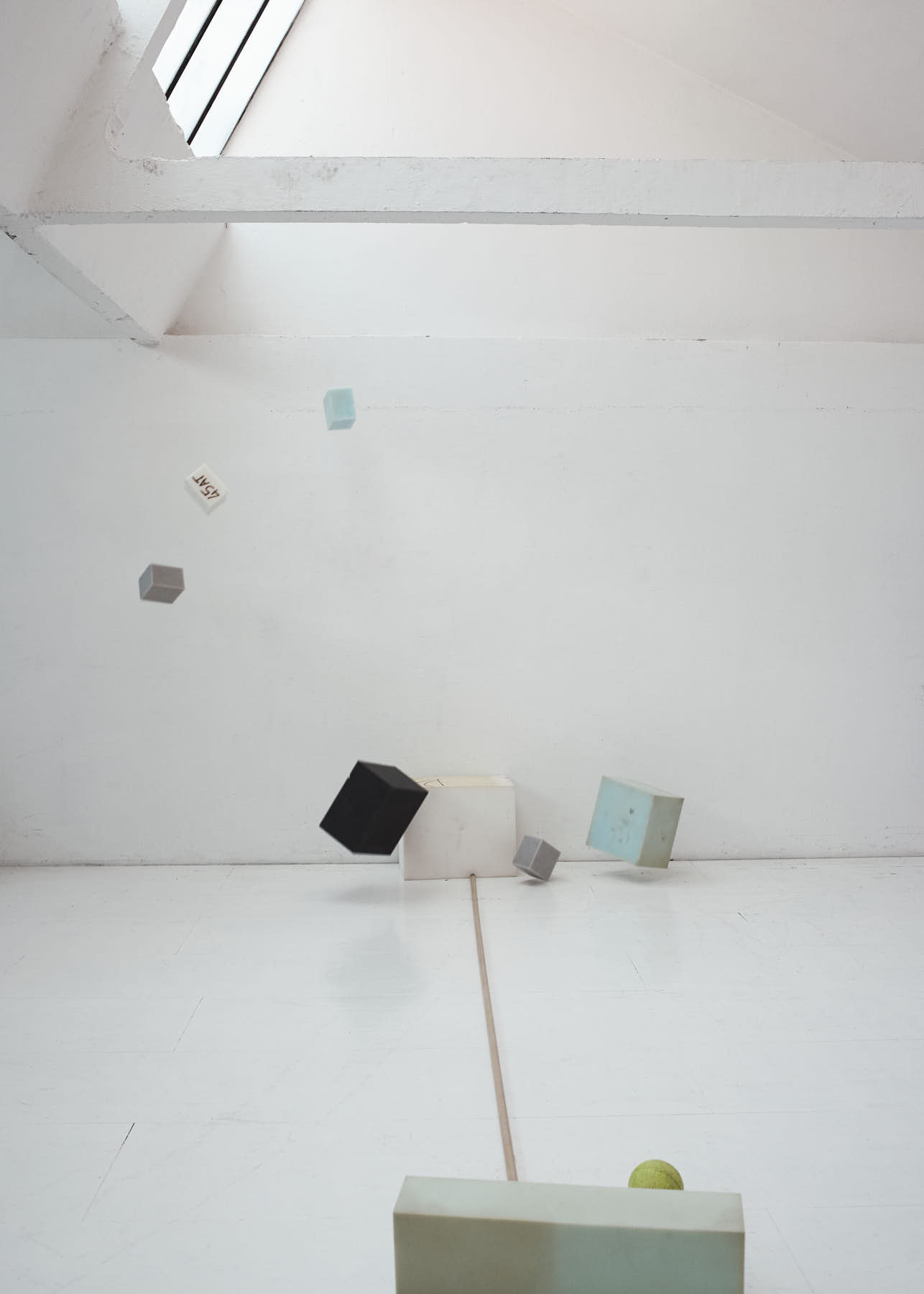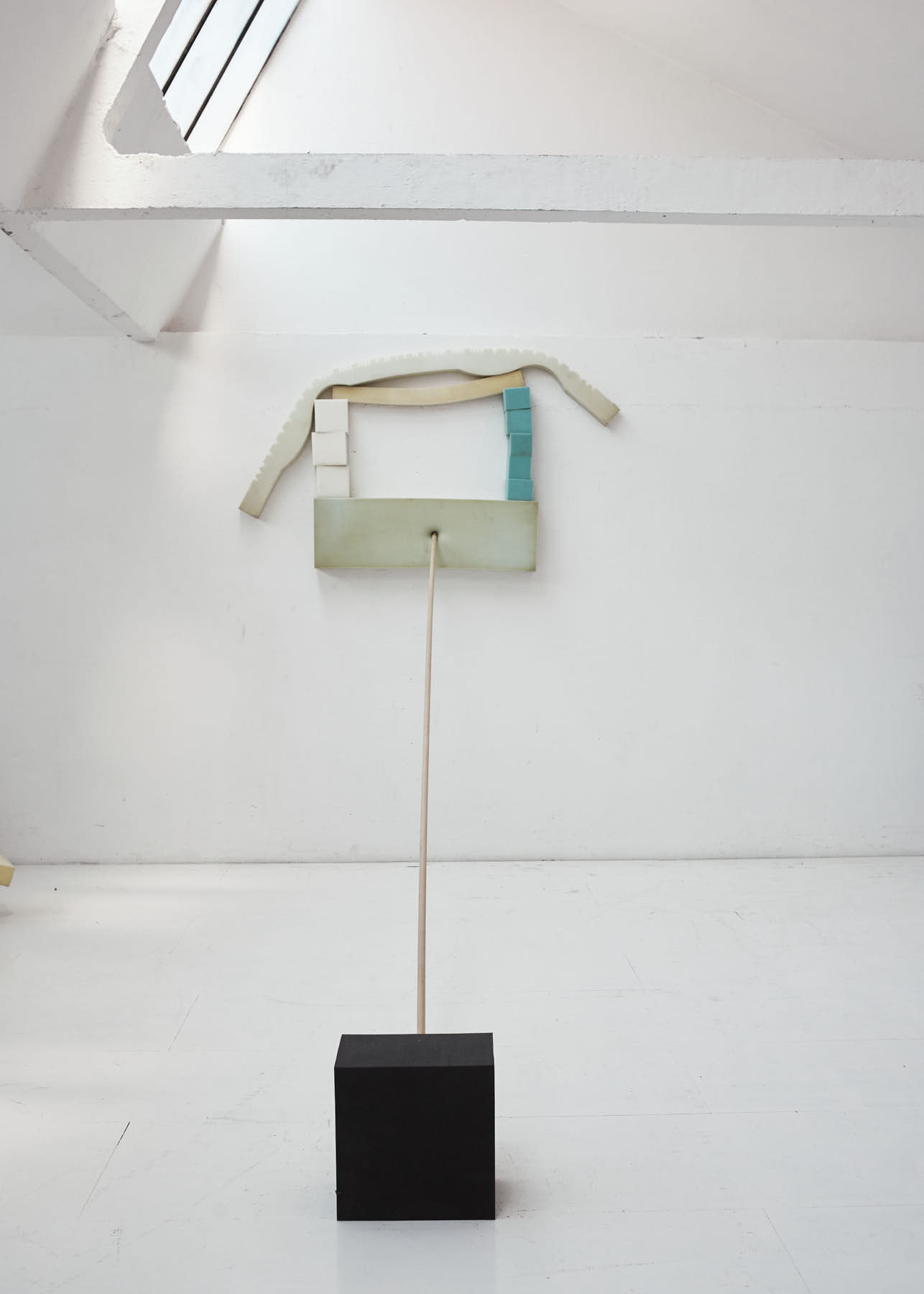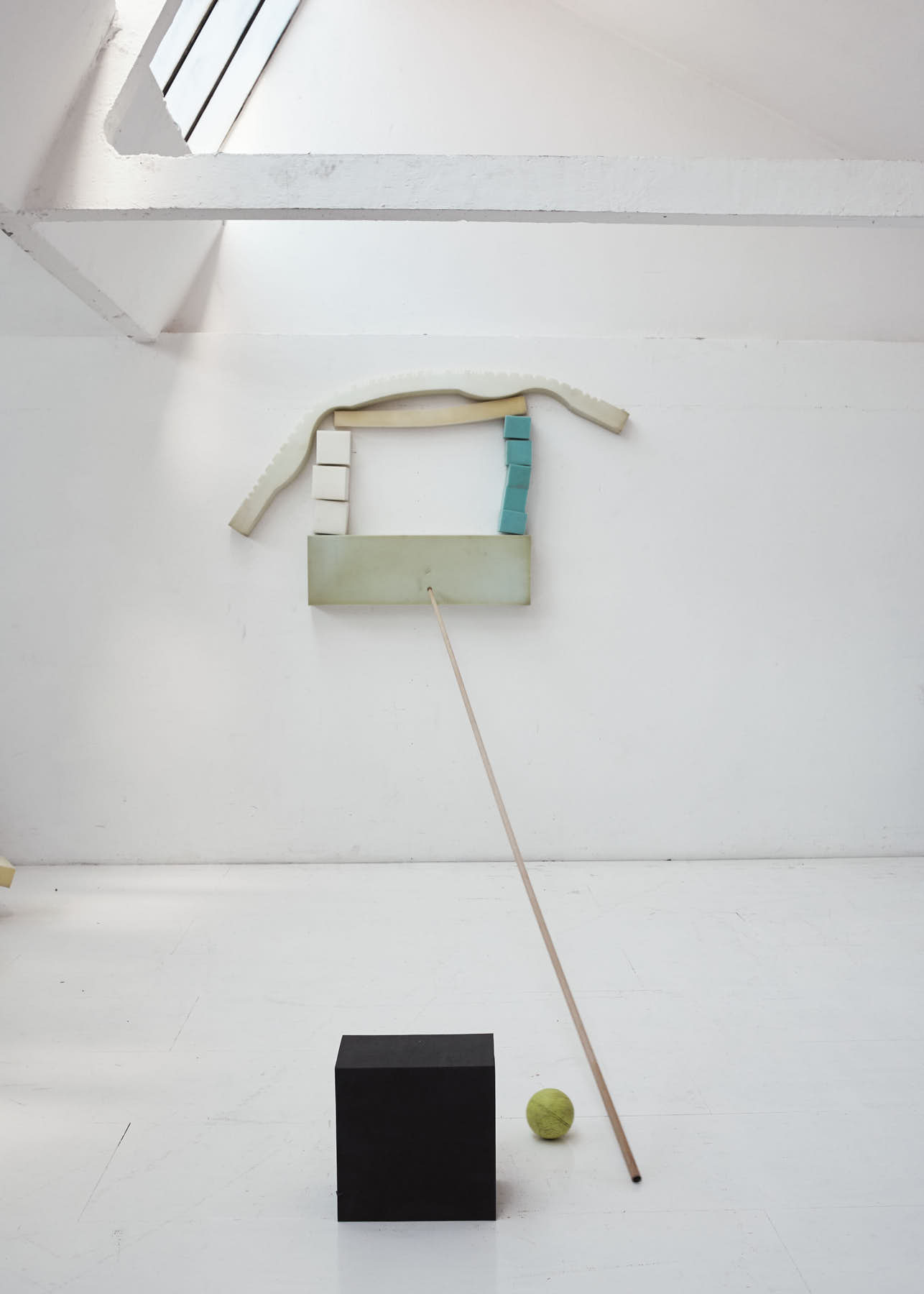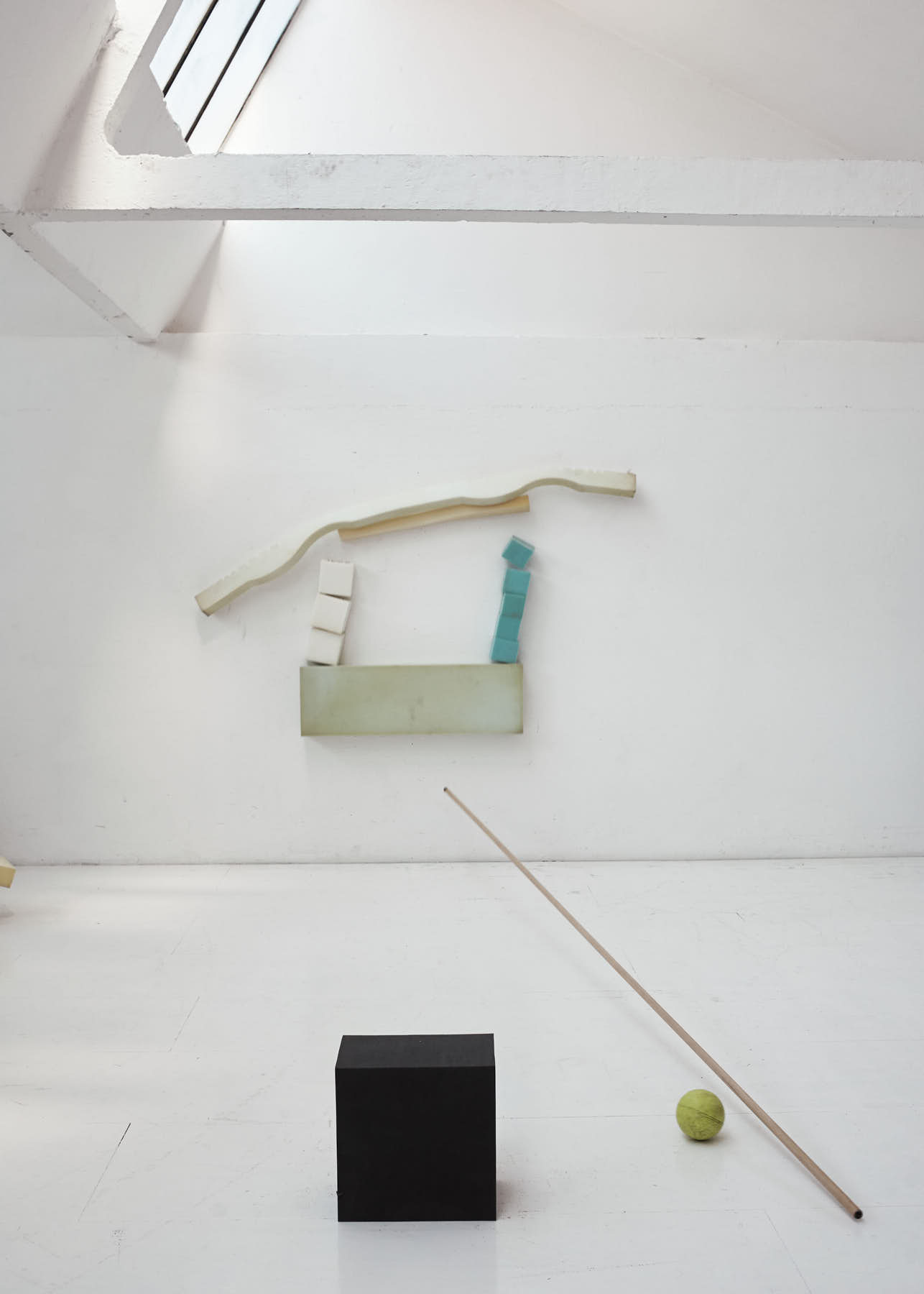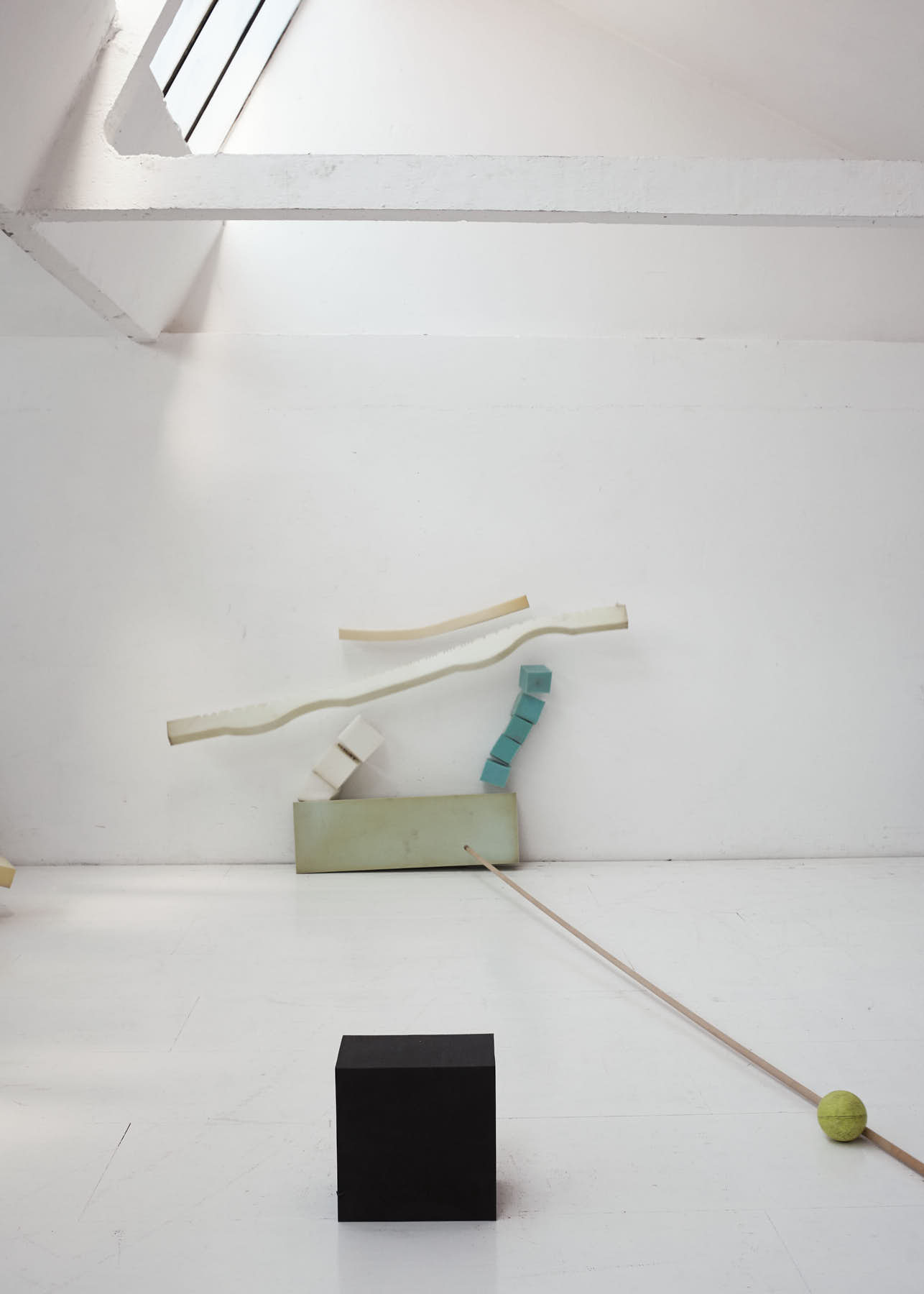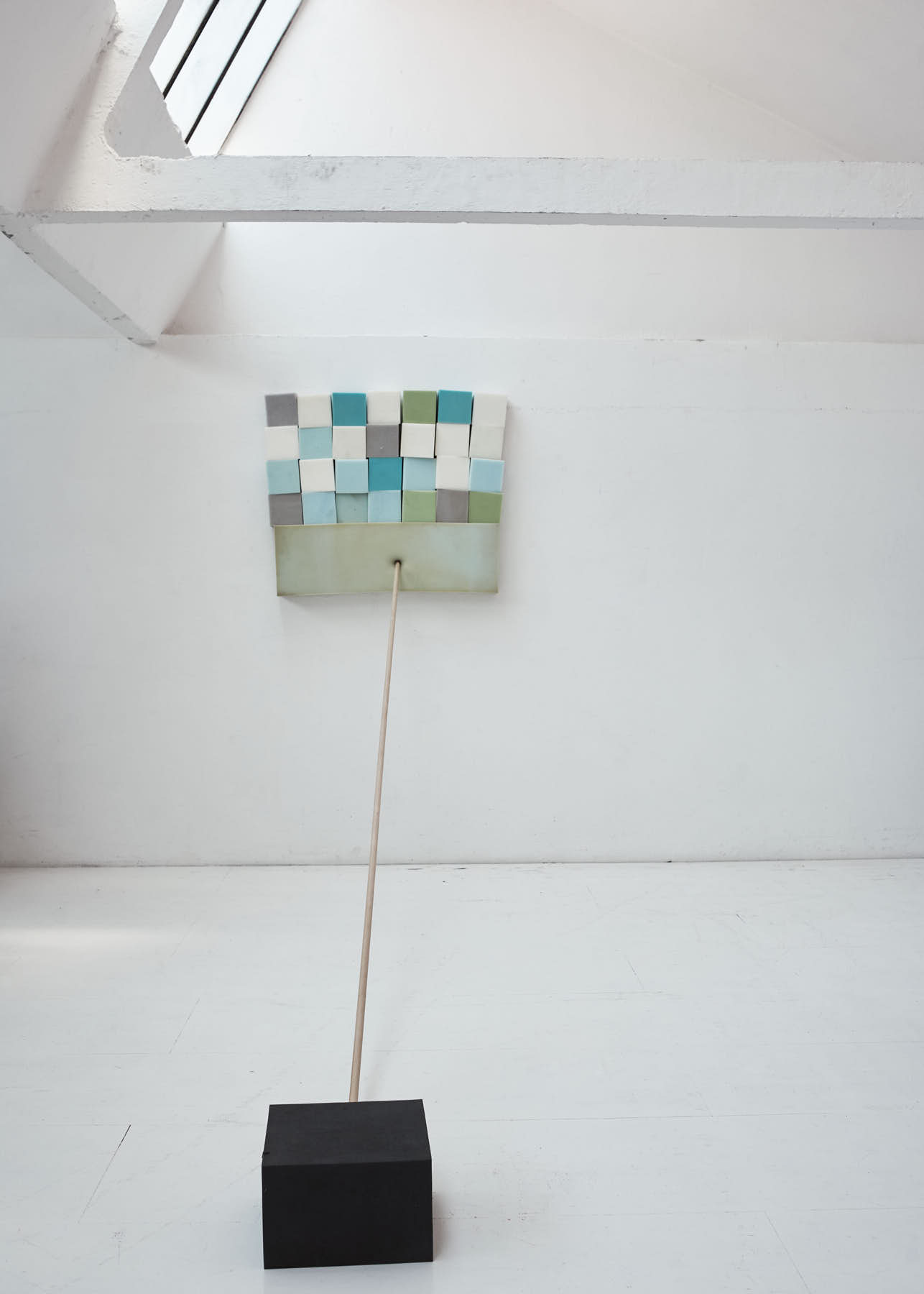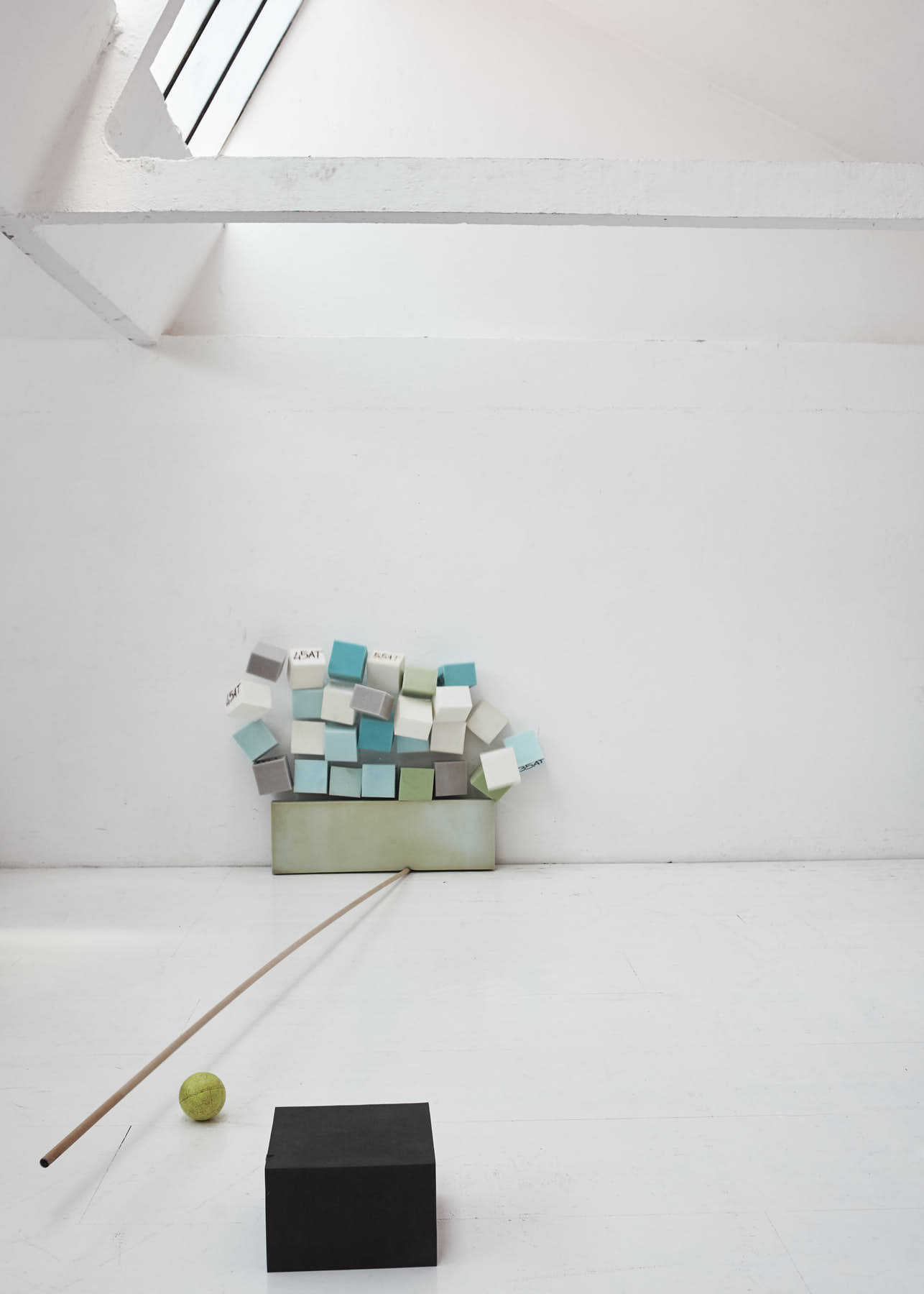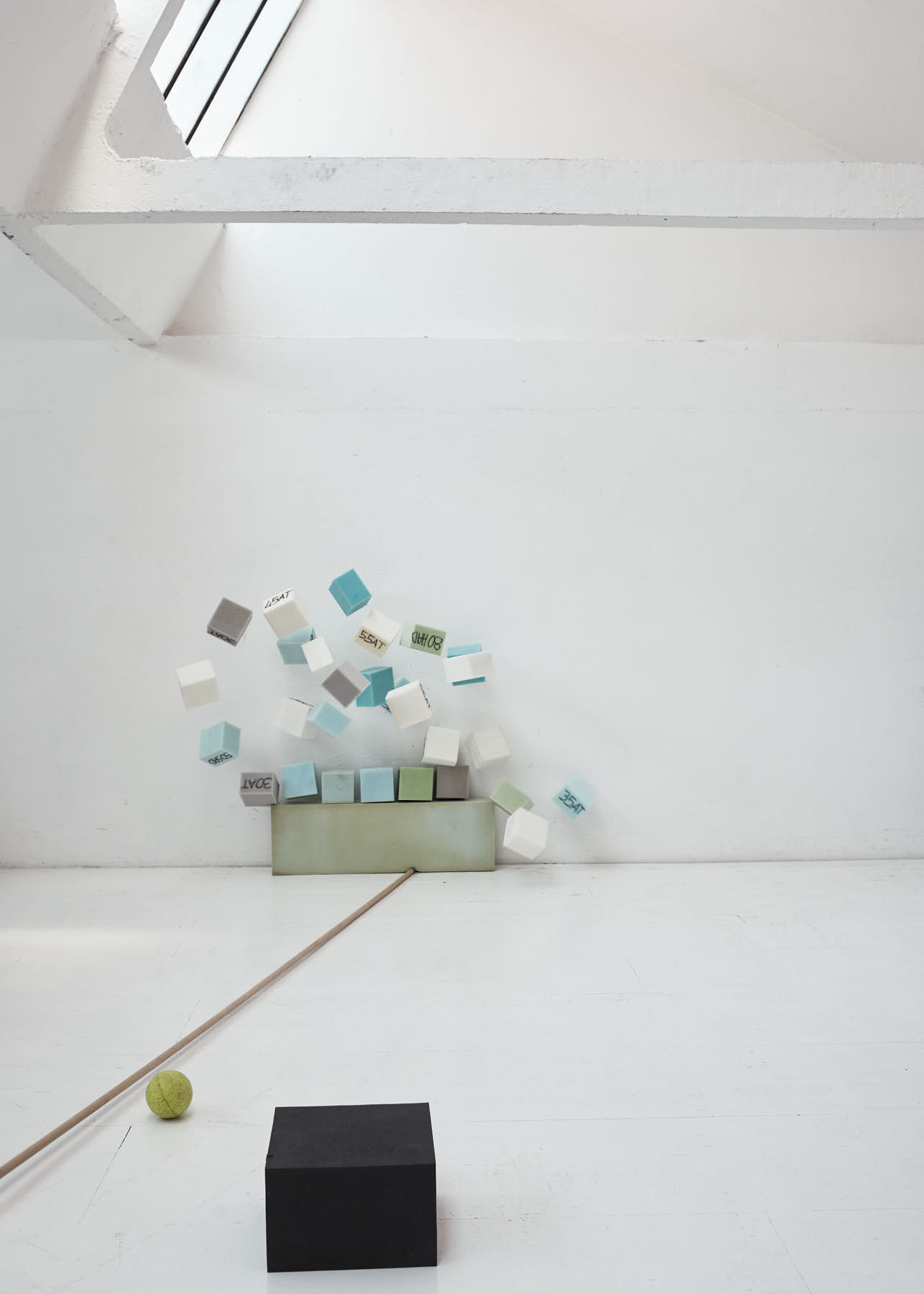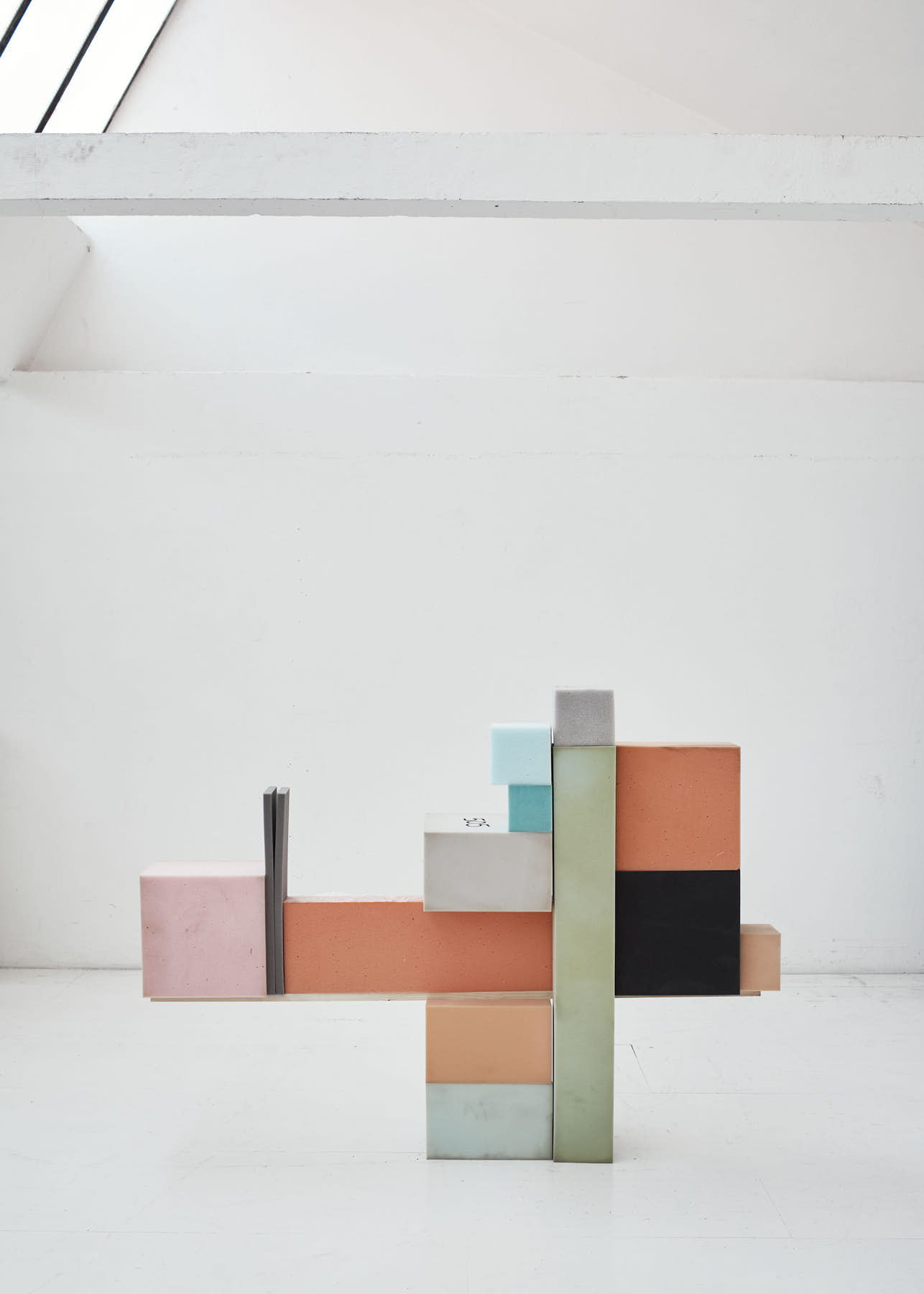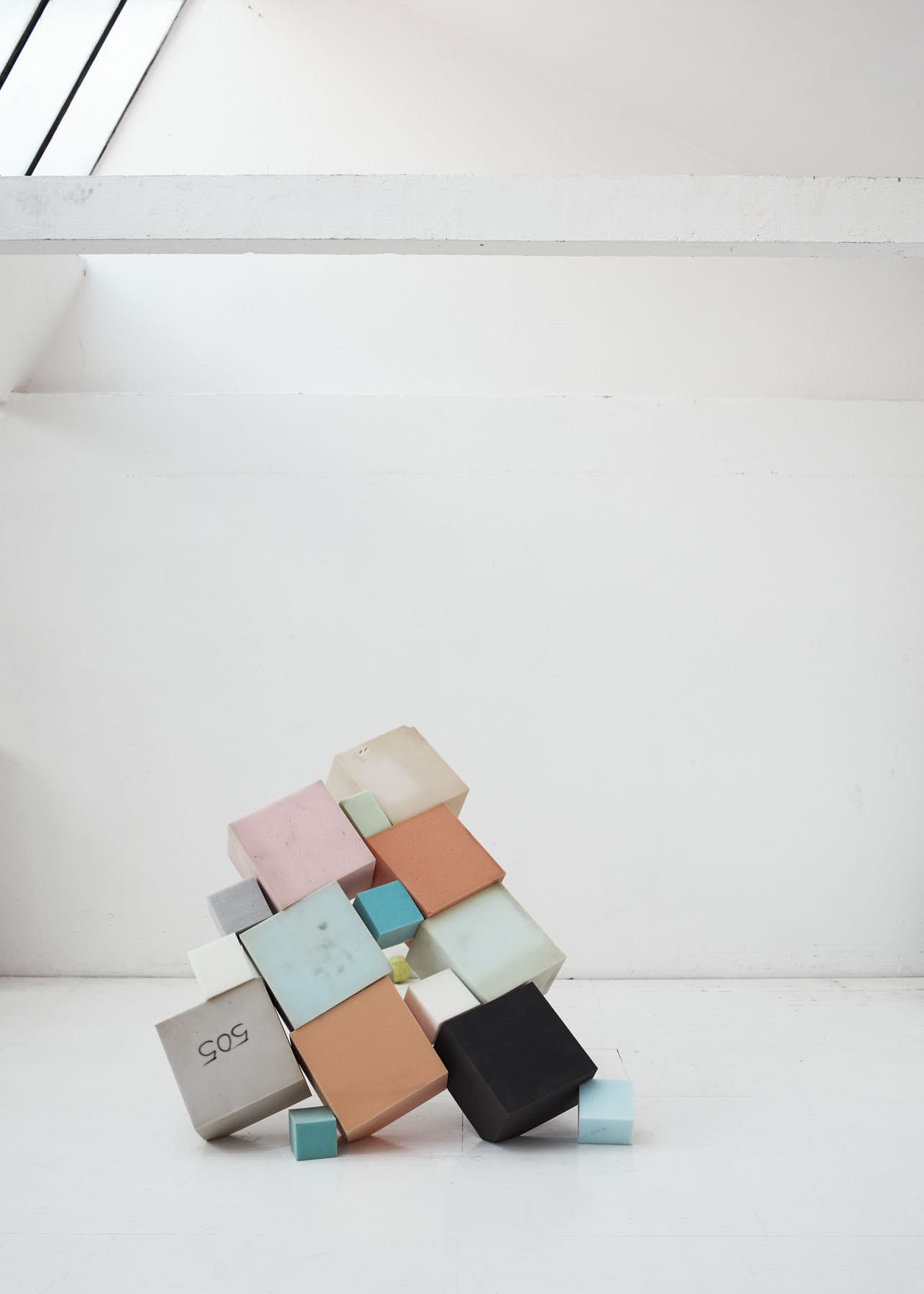







All of a Sudden
The presence of both mobile and immobile objects in the world represented one of the great dilemmas of photography. Early nineteenth-century photographers could merely try their hand at capturing inert objects, or resort to random attempts to immobilize the mobile – which otherwise would have left only a faint trace.
The revolution triggered by Muybridge’s studies on movement seemed to have resolved the problem, so much so that in 1930 Marinetti and Tato wrote their Manifesto of Futurist Photography to incite acknowledgement of the new possibilities of the photographic medium, such as the mixing, suspension, disproportion, amorous and violent interpenetration of movable and immovable objects.
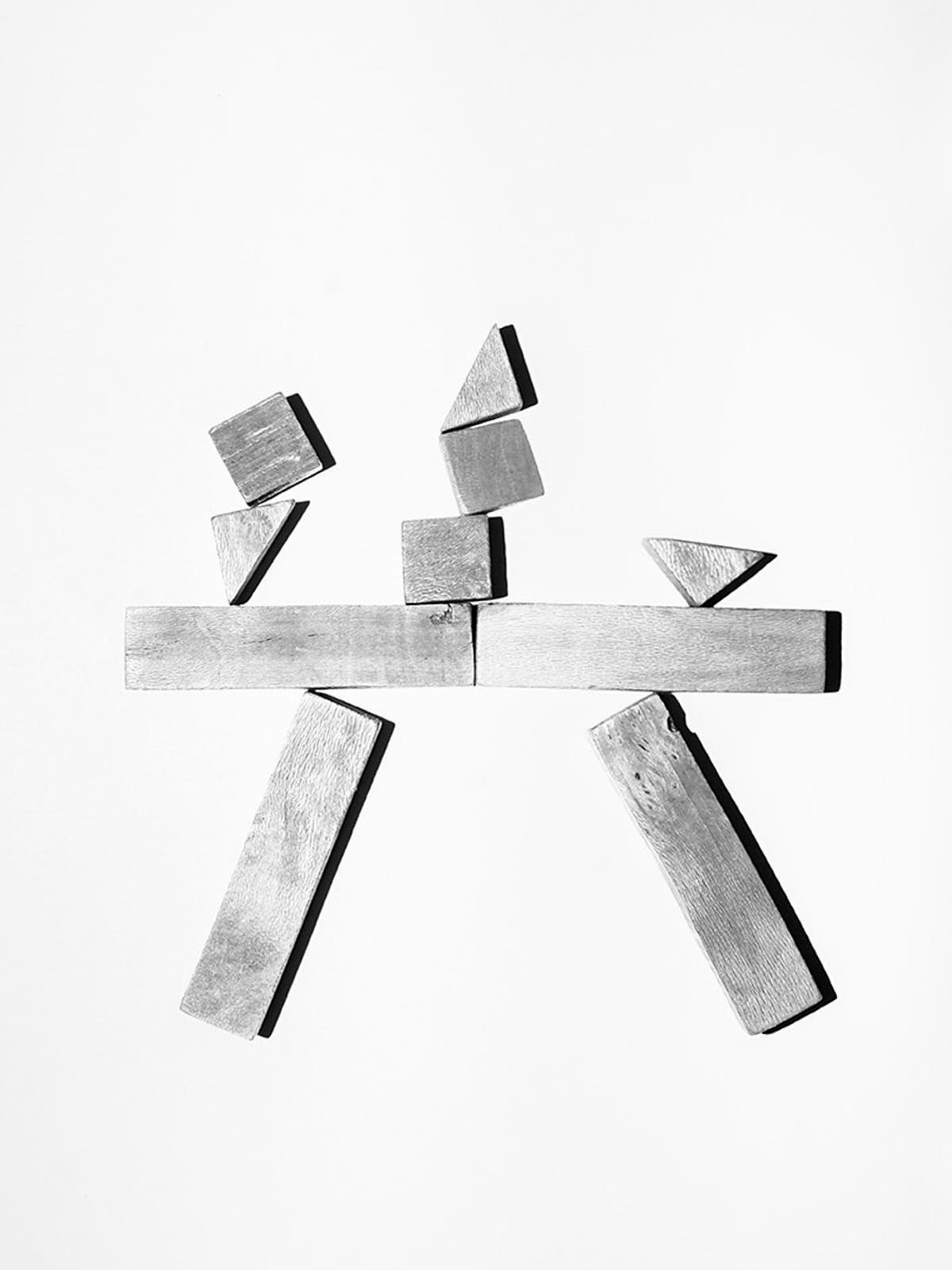
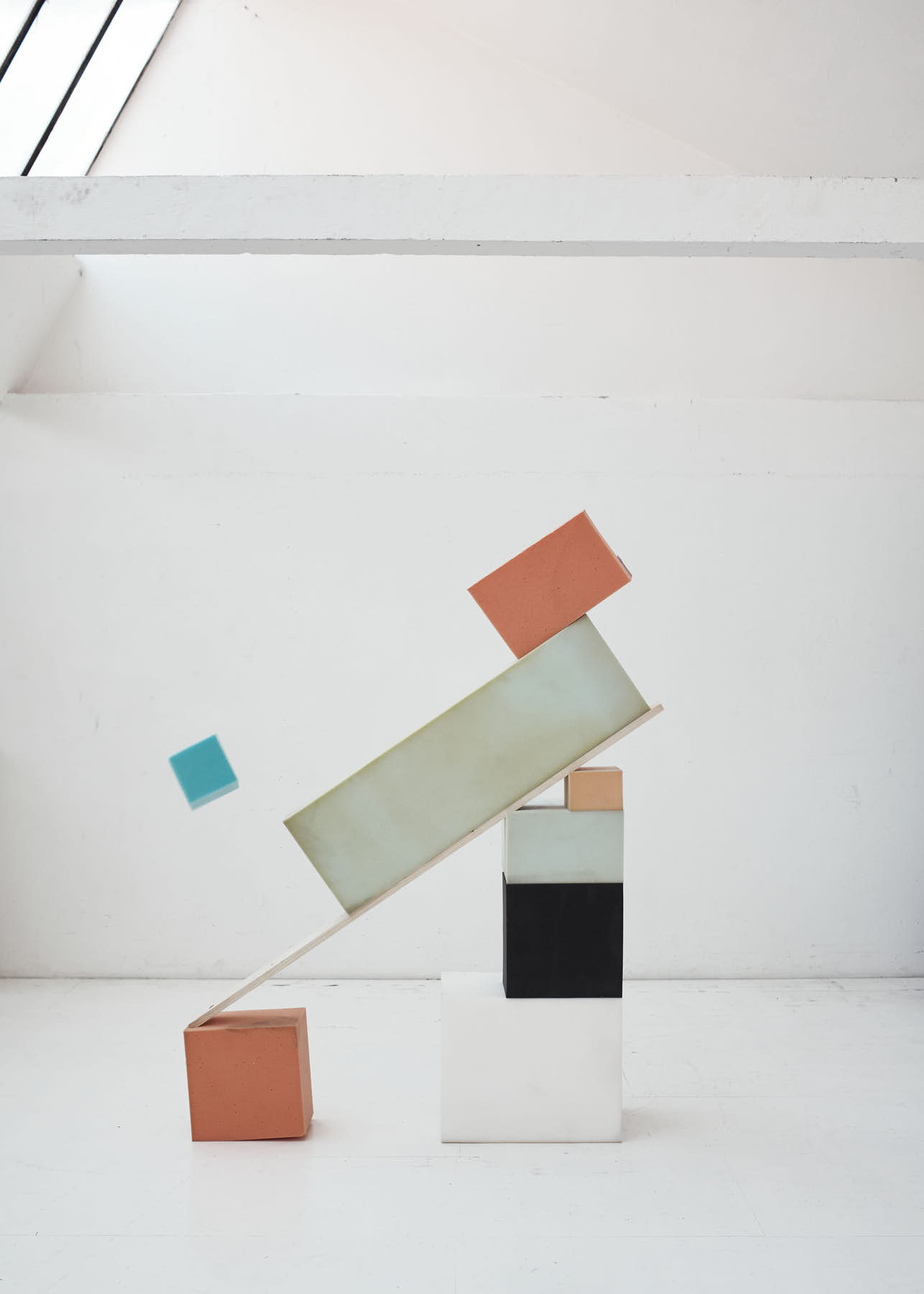
With the avant-garde movements, photography was also annexed by other languages of modernity. Artists of every discipline, and sculptors in particular, who used photography to document their works, understood its poetic and expressive value and opened up new possibilities for experimentation. The element of randomness, introduced by Dadaism, further amplifies this phenomenon, transforming reality into a stage on which sudden events, unexpected accidents, hazardous acts are played out.
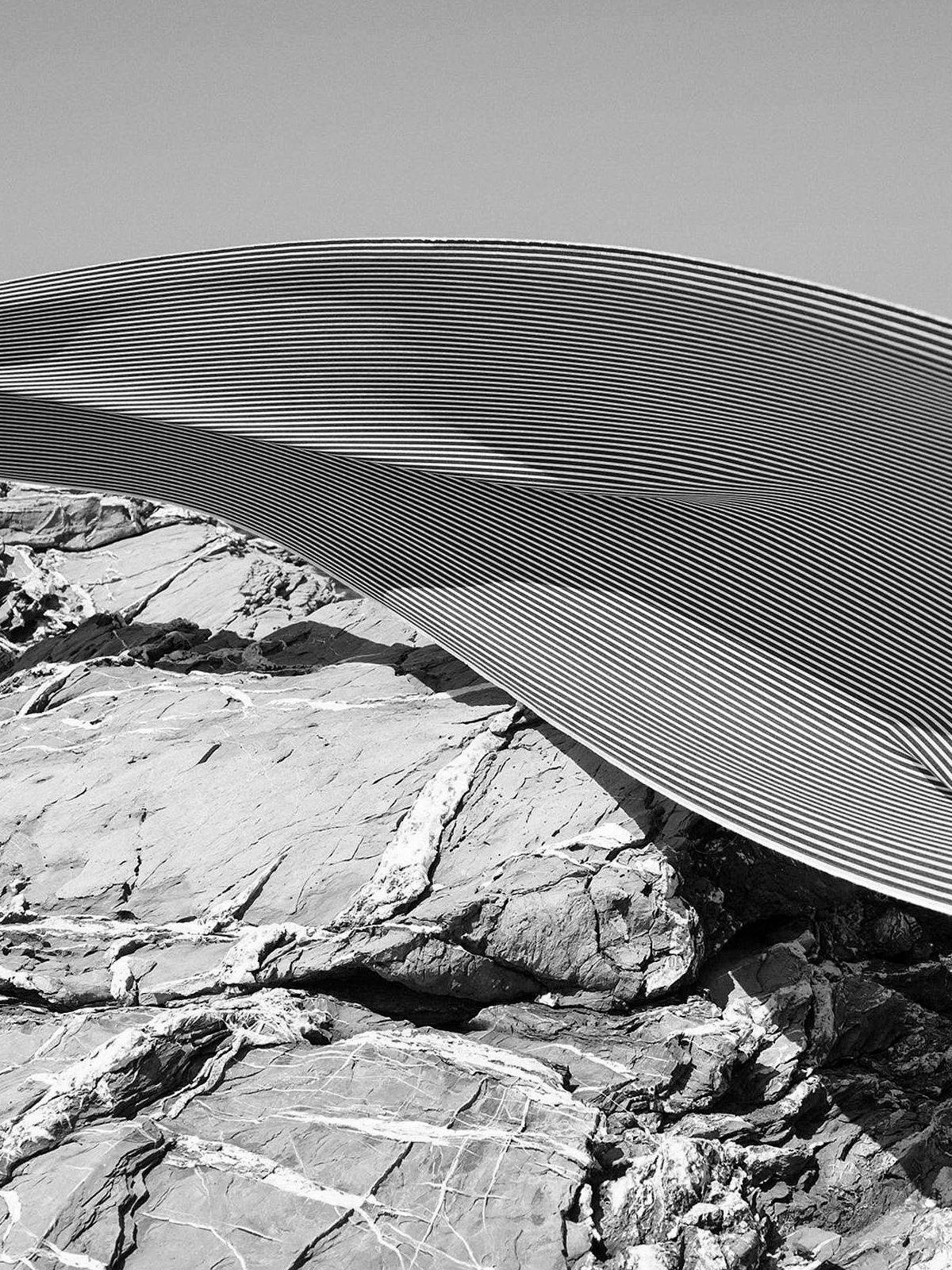
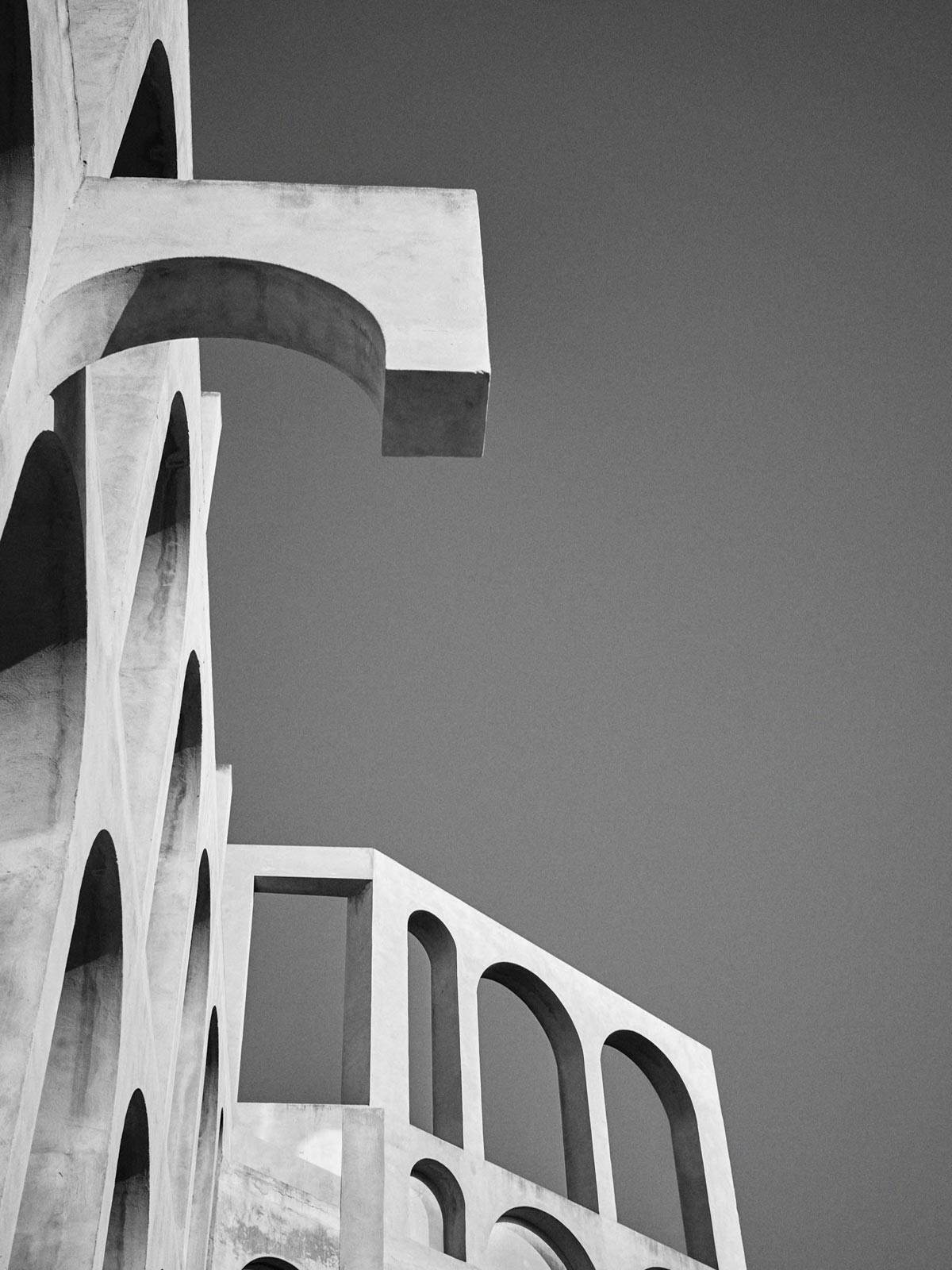
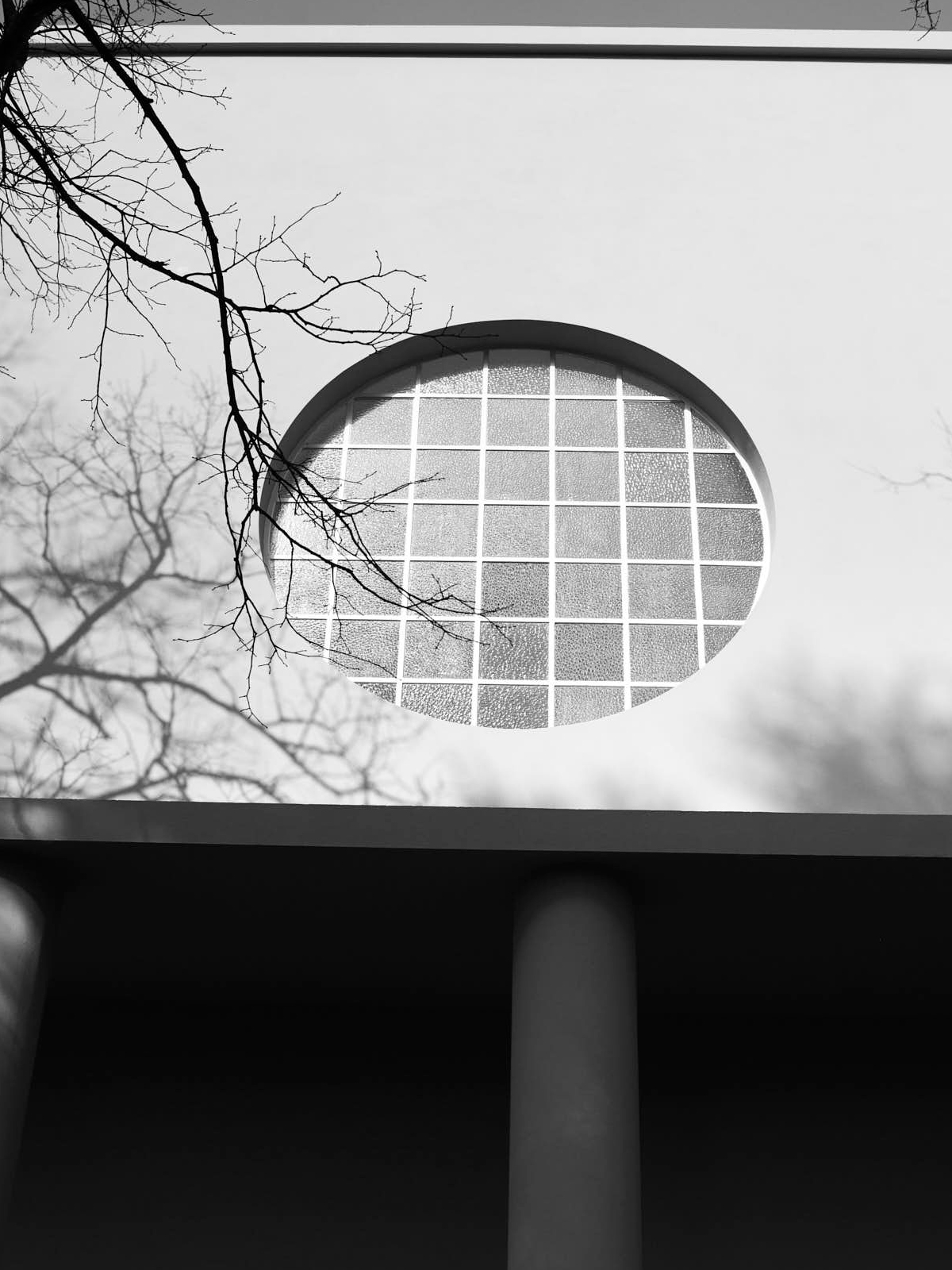
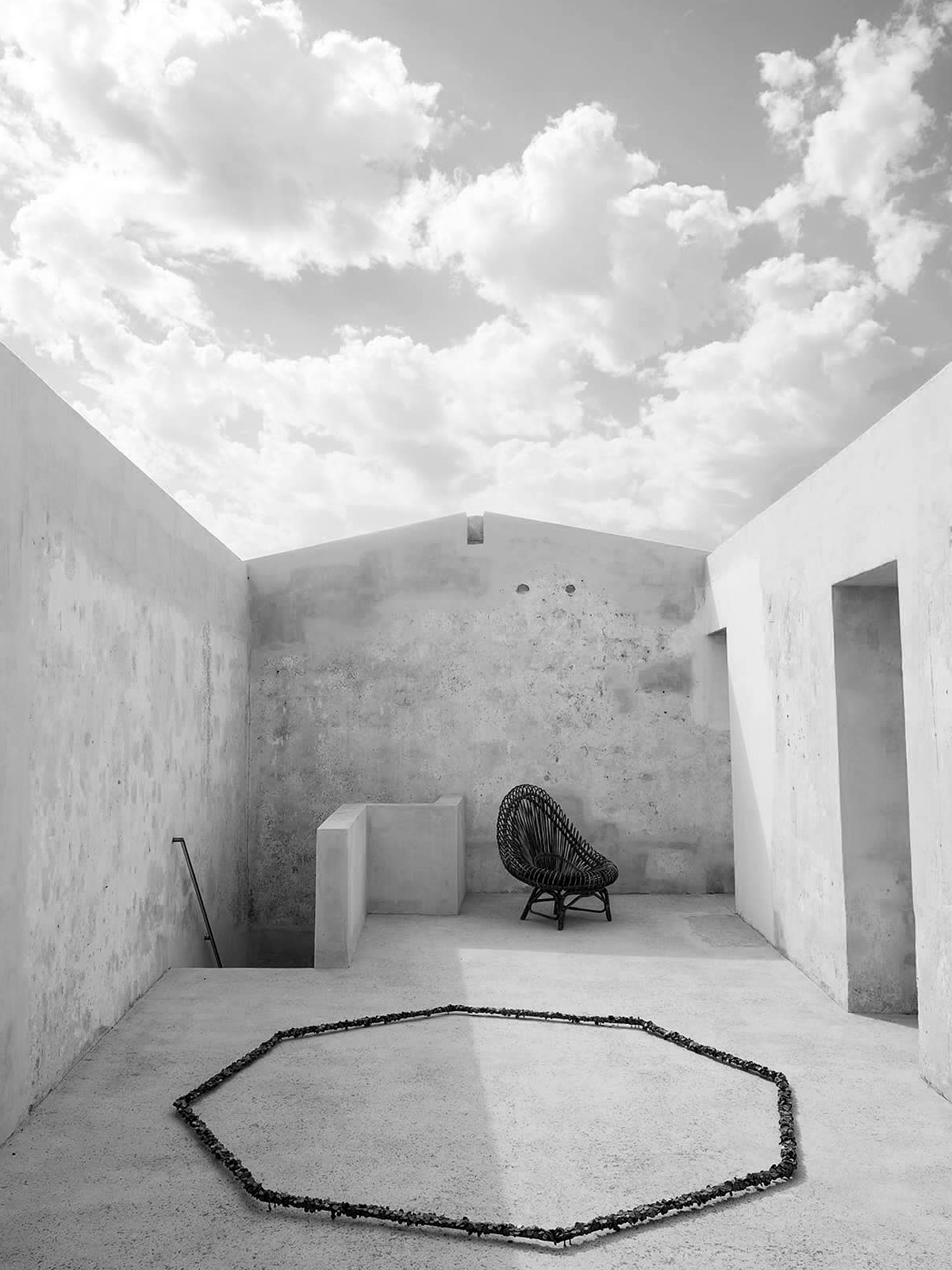
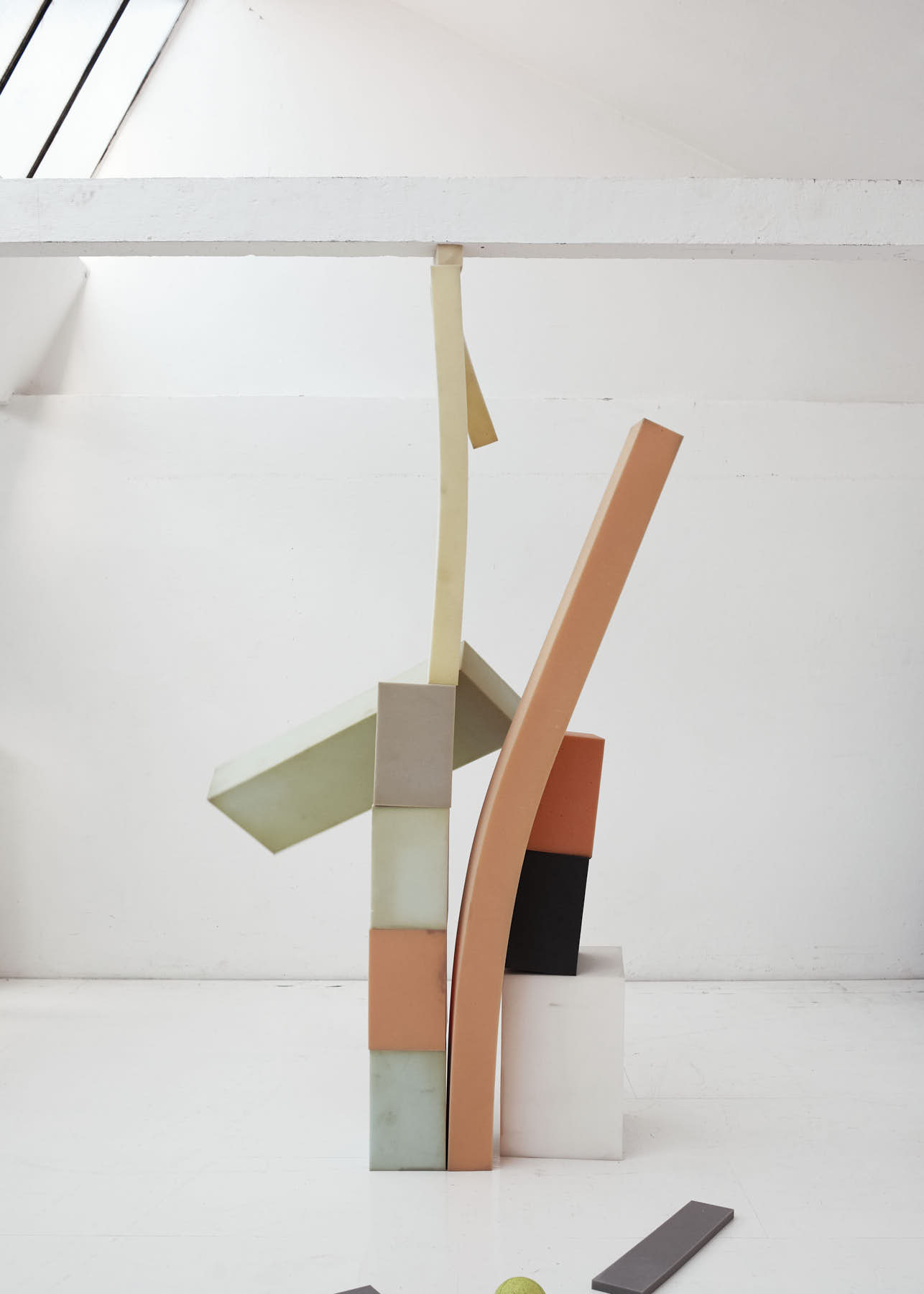
With the movements of the Sixties, such as Land and Performance Art, photography is acknowledged and metabolized to the point of becoming a language that can not only of describe, but also transform and expand the possibilities of other forms of expression. In this context, sculpture attains a kind of autonomy from the object that generated it. By reinventing sculpture through photography, it becomes an image. The tendency to utilize objects with the aim of photographing and presenting them solely through their representation becomes consolidated in contemporary photography; in the context of a digital world, this language, more than others, faces the urgent need to redefine its own materiality.
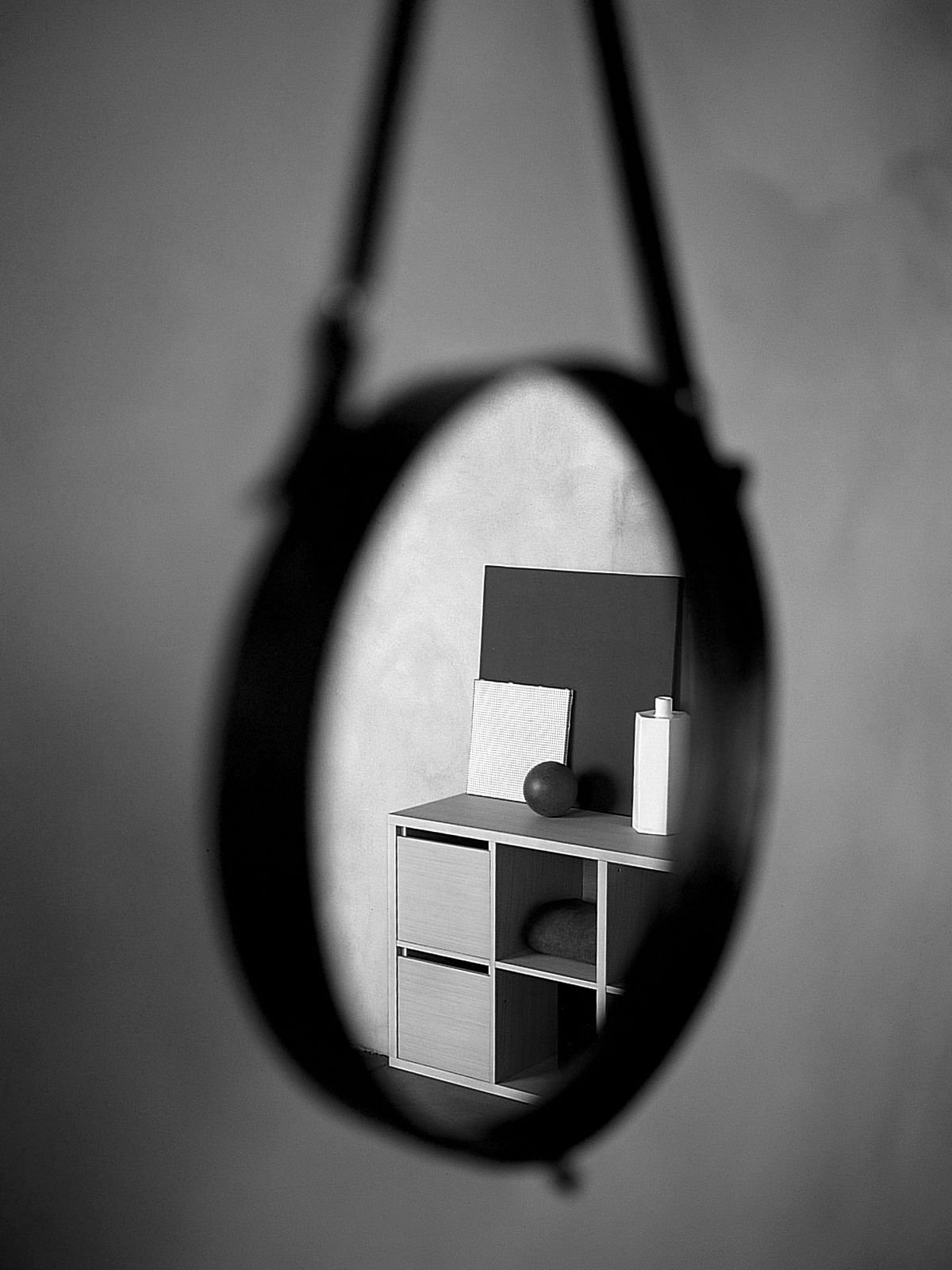
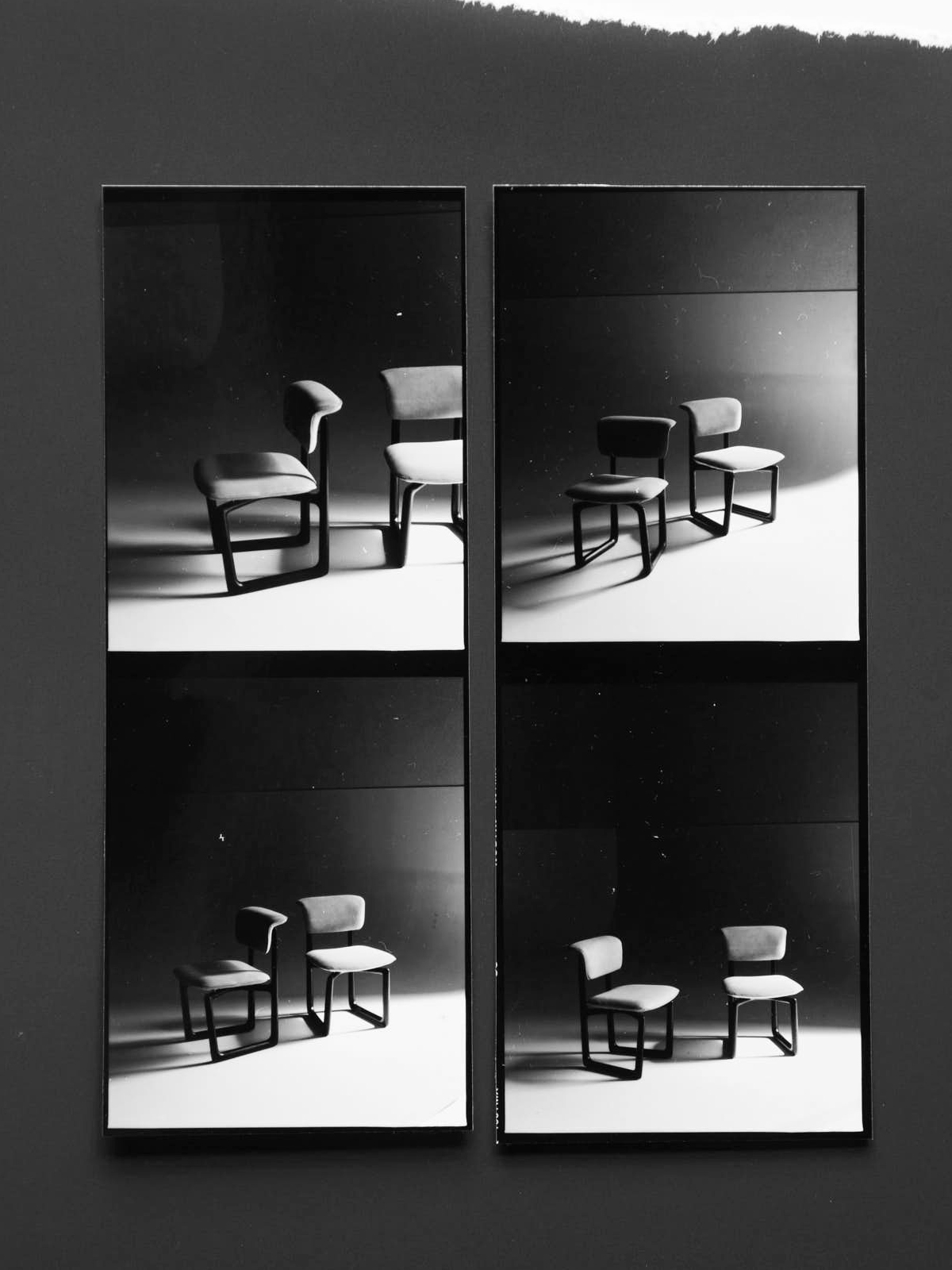
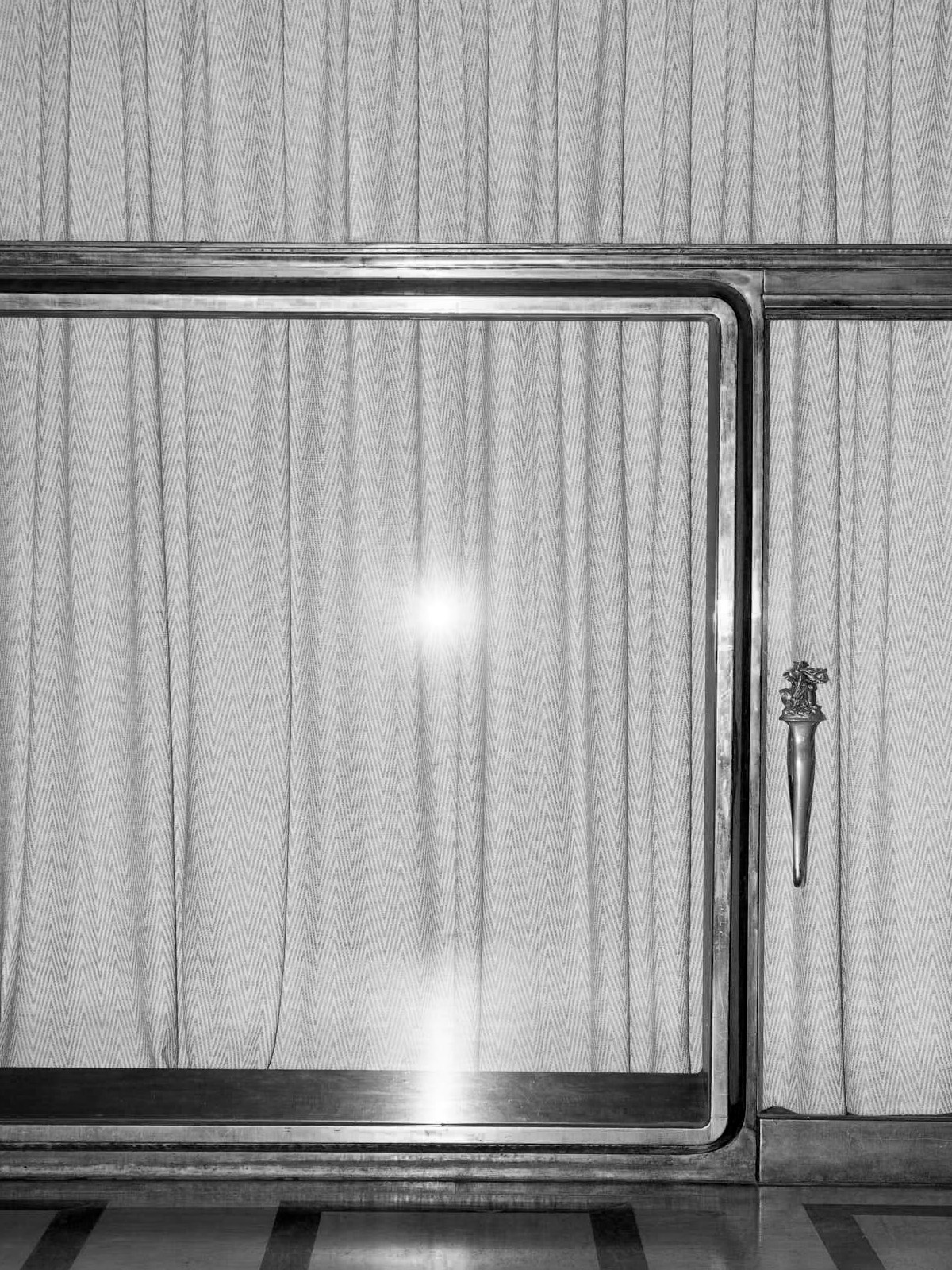
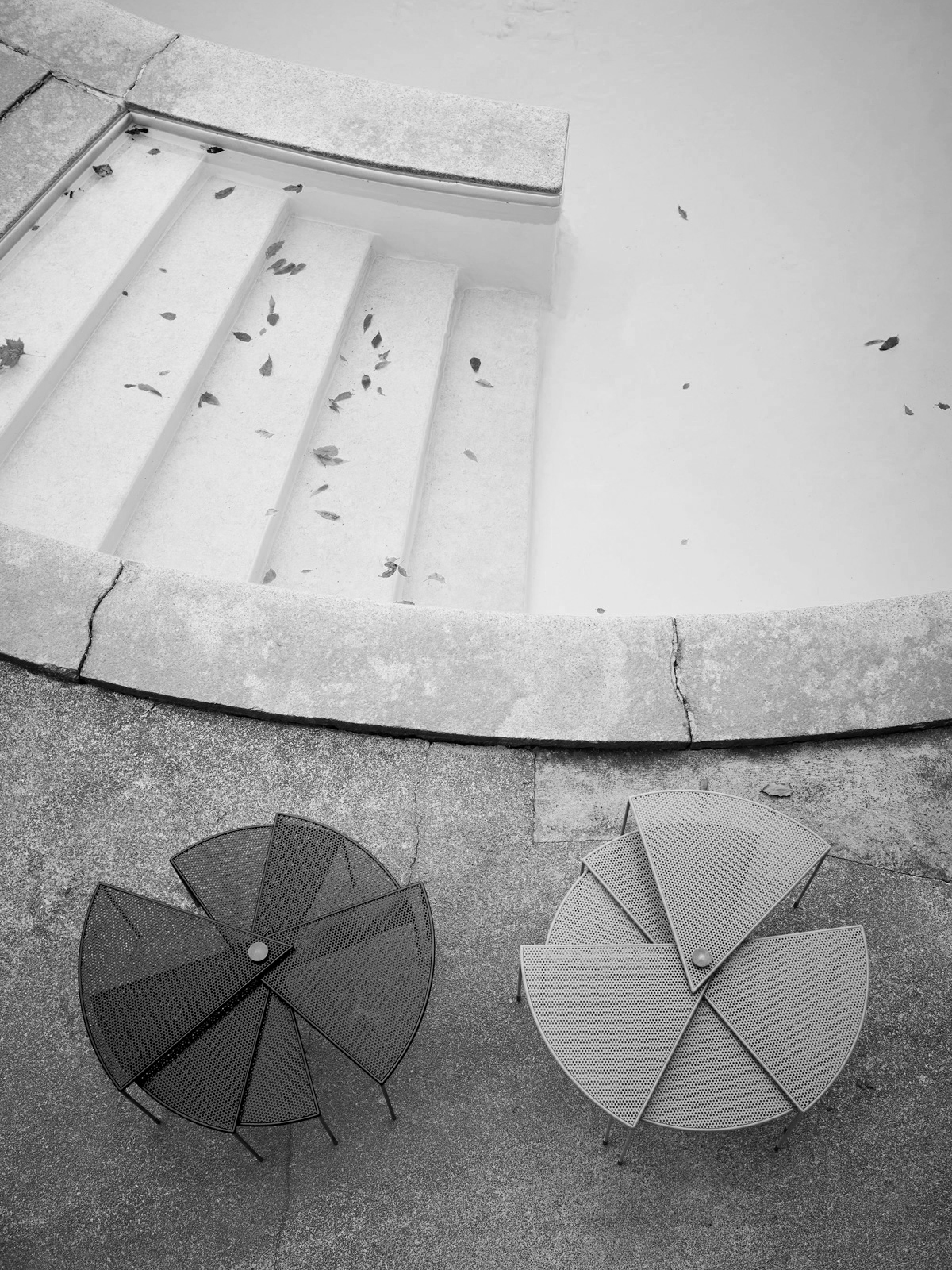
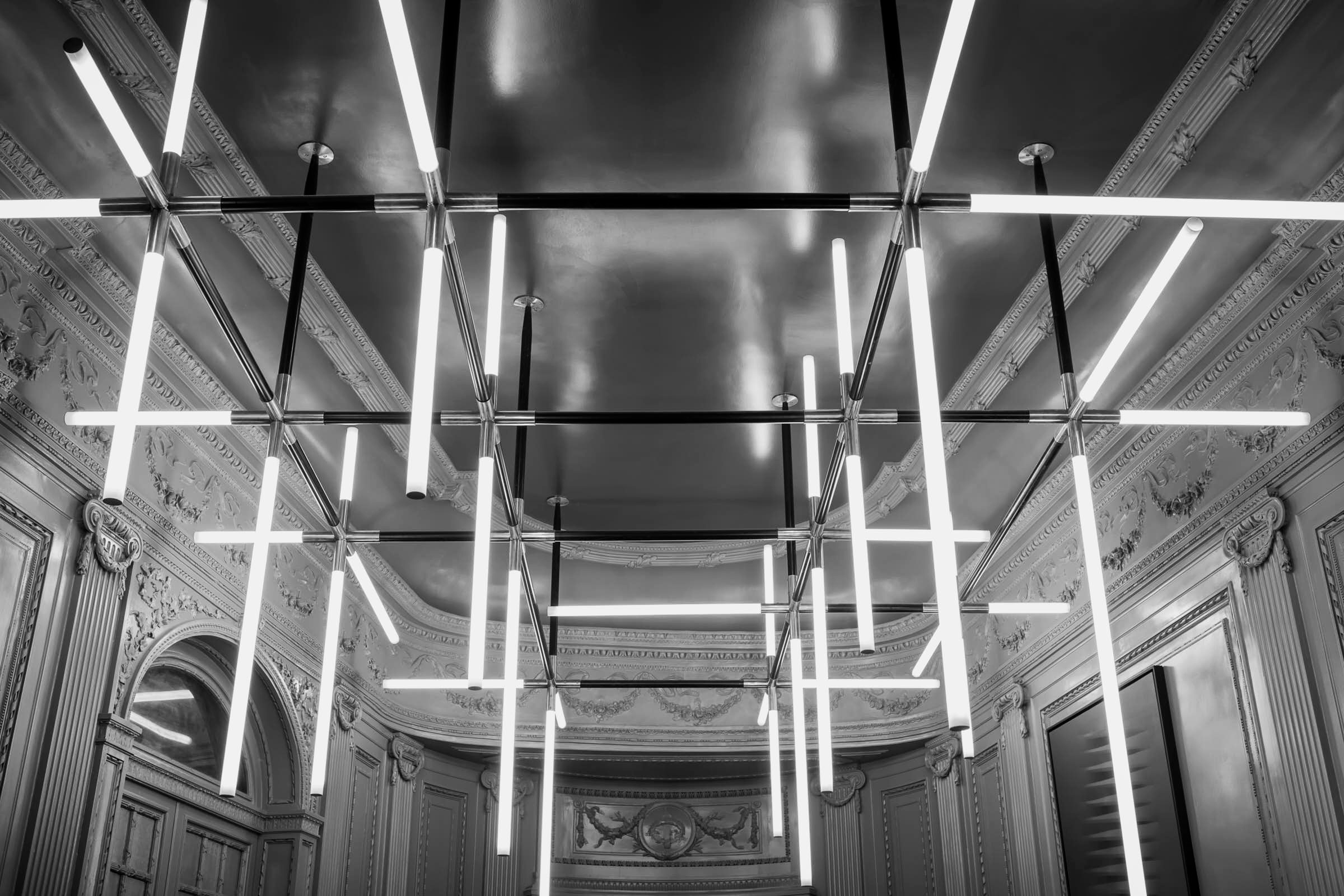
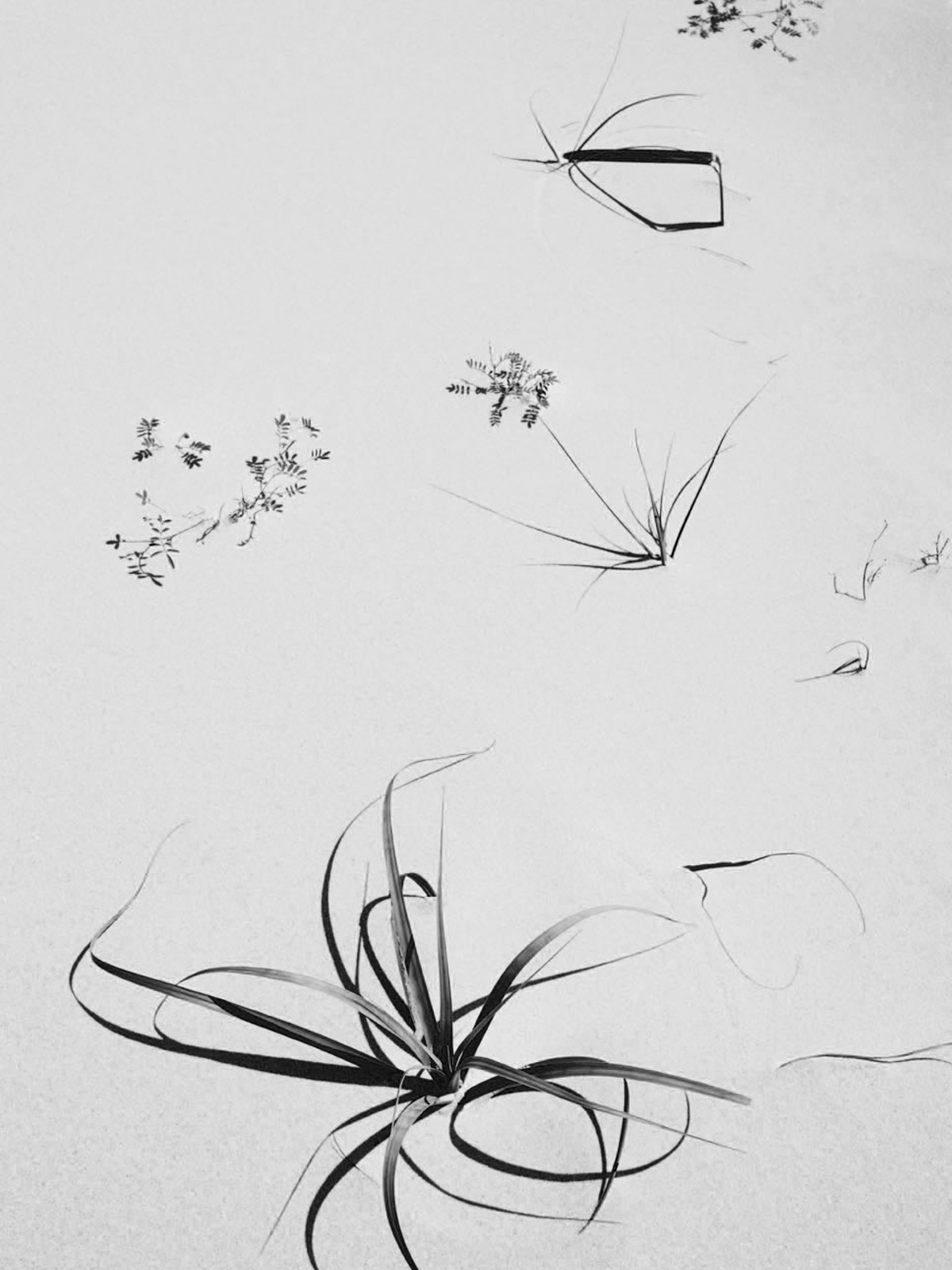
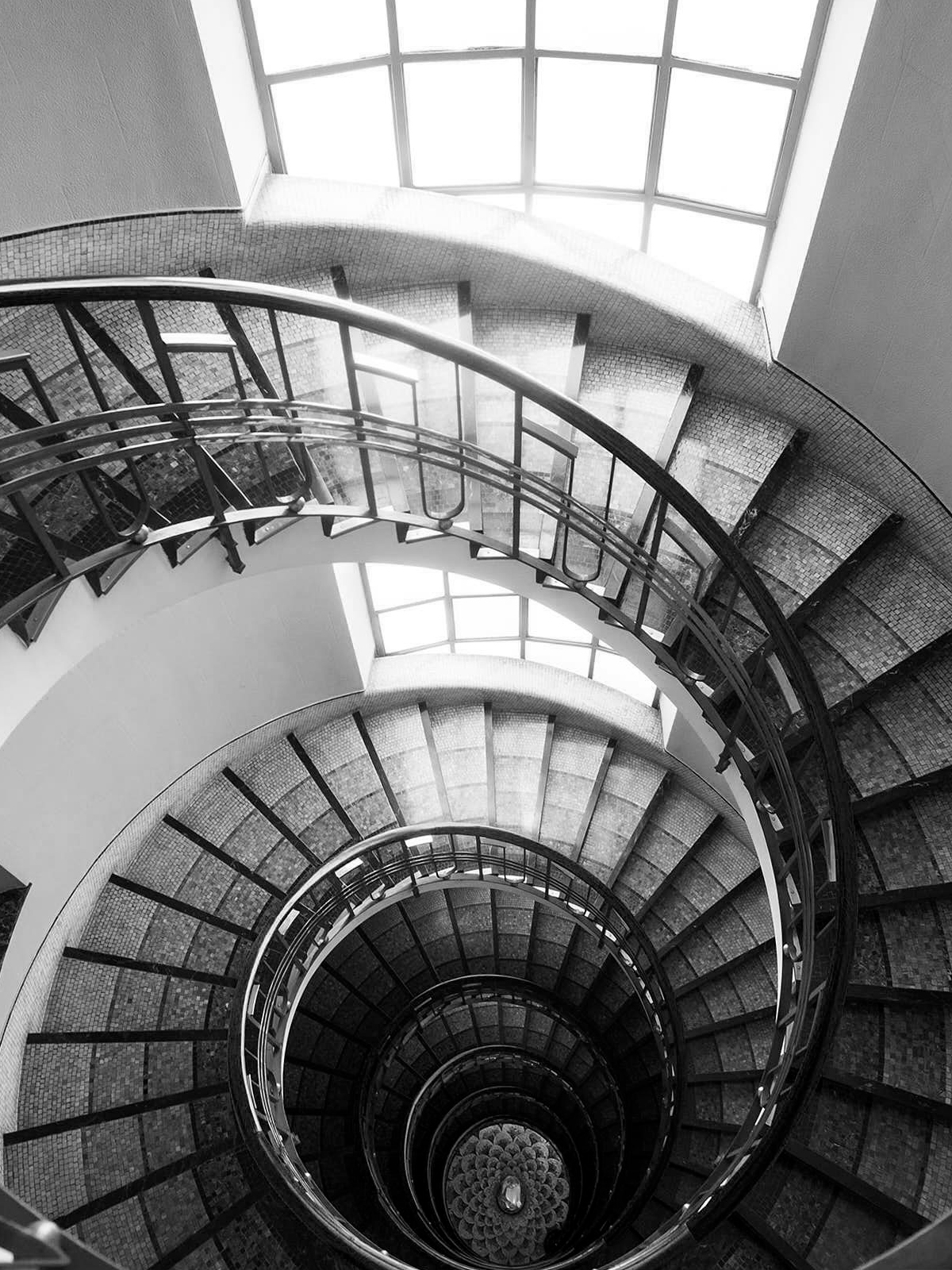
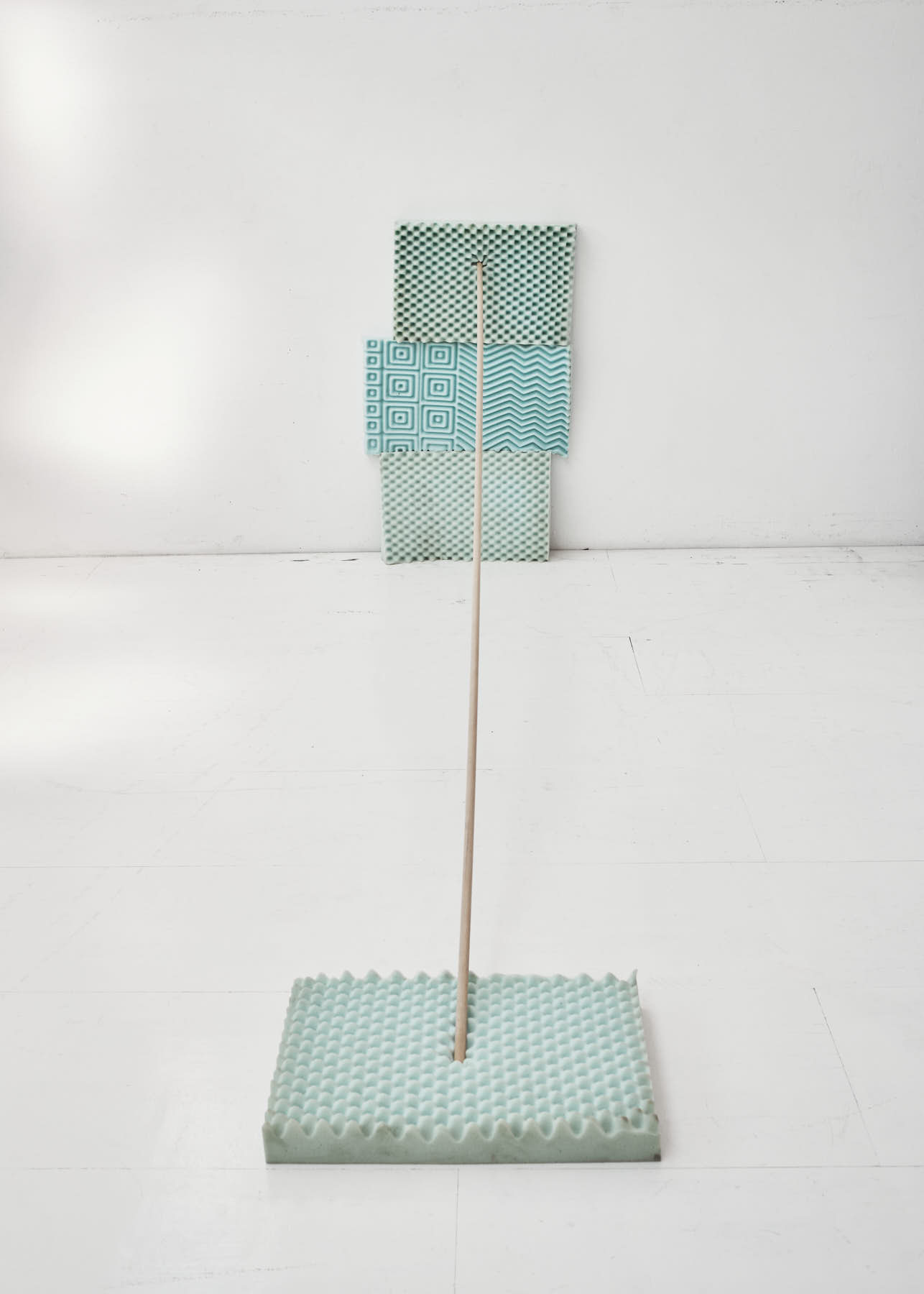
Sculpture, on the other hand, has freed itself from its traditional spatial and identity-bound connotations – technical, ready-made, installations – it now extends to all the concepts and forms of the third dimension. When a camera is placed in space in relation to an object, this means entering the domain of composition: a white sheet on which the artist directs the visible order of things. With an invisible hand, and assisted by a tennis ball. Ilaria Speri